What a chargeback is, and what it costs

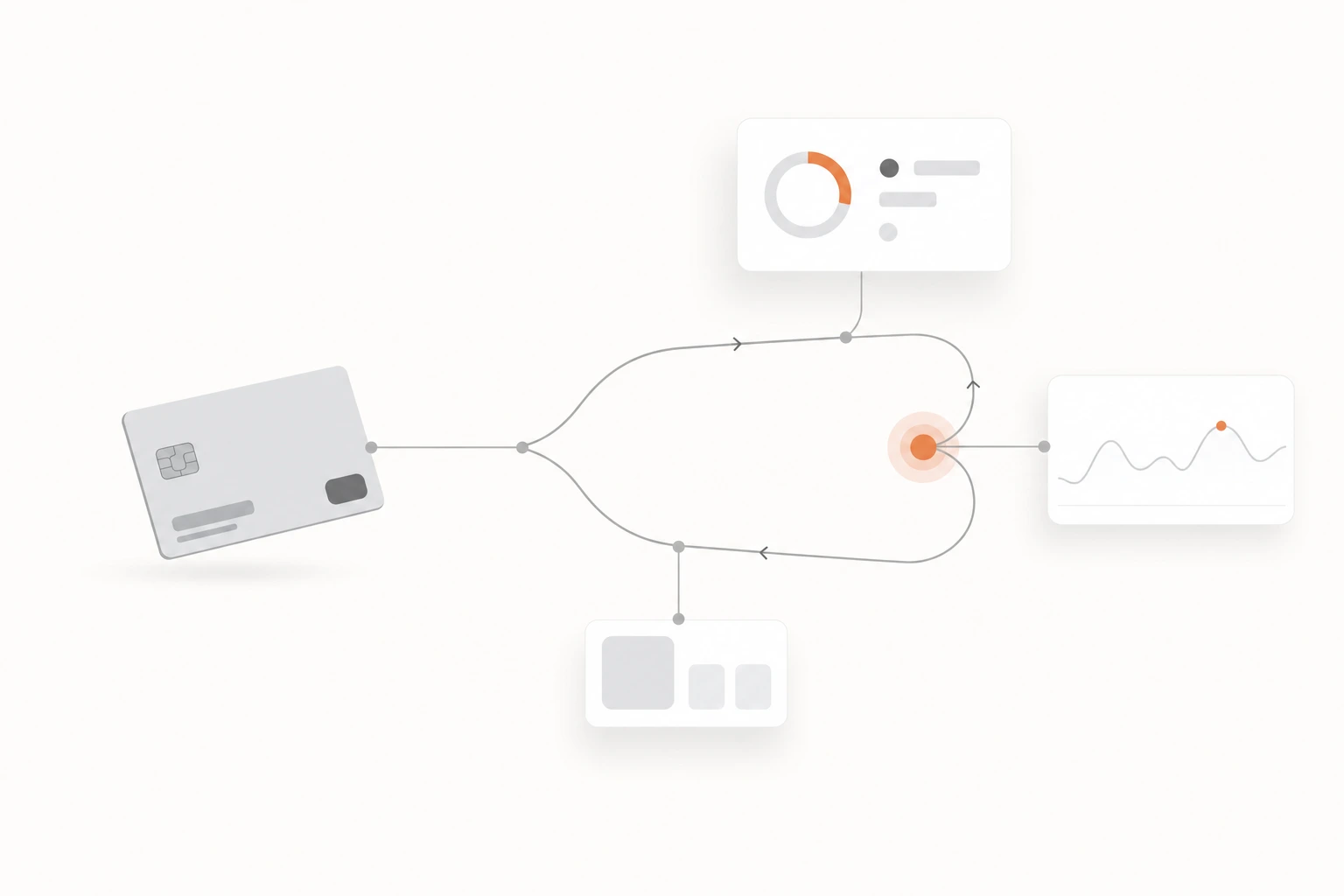
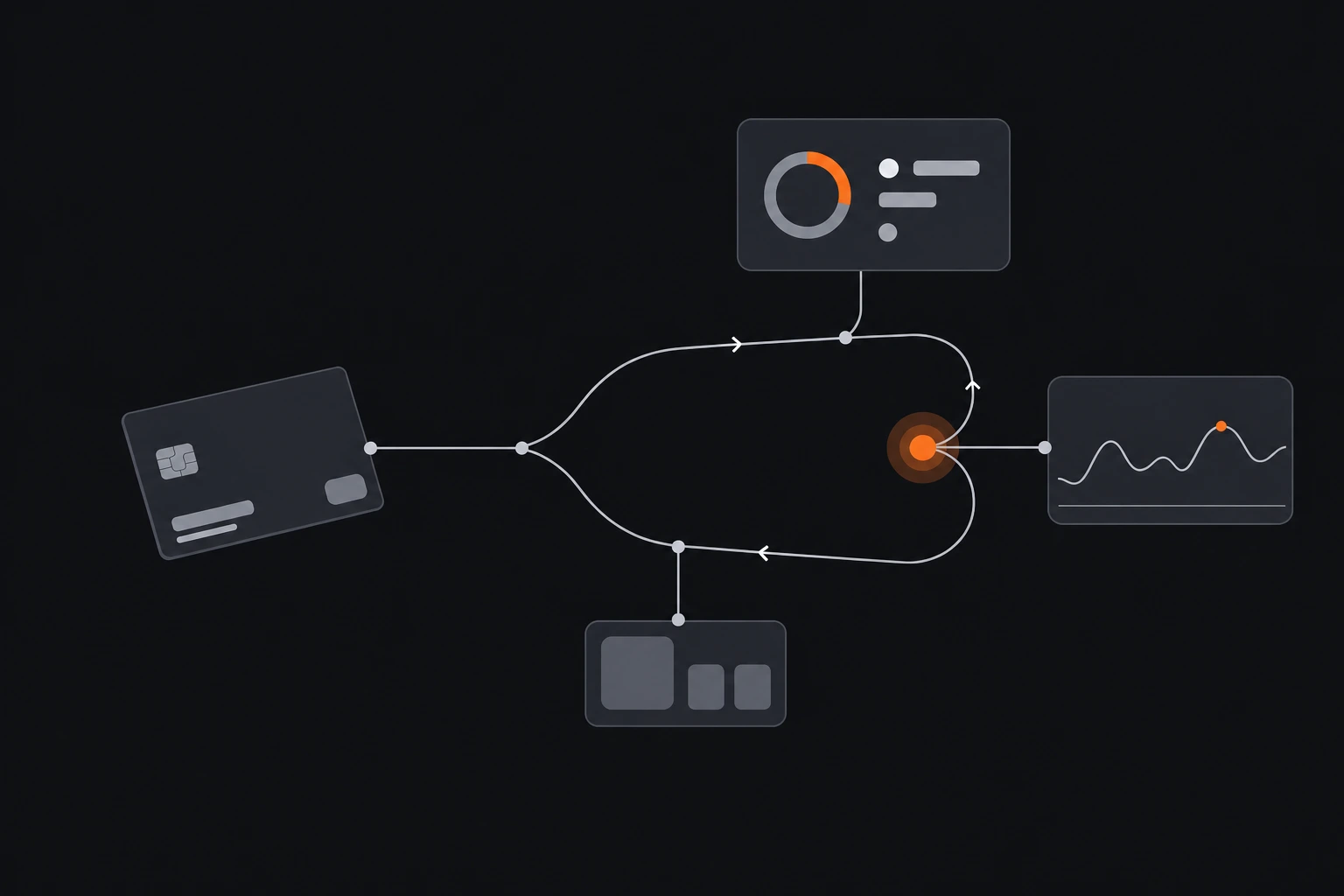
A chargeback is a card payment your customer reverses by going to their bank instead of coming to you. The bank pulls the money back out of your account, usually adds a fee, and asks questions later. That is the whole difference from a refund in one line: a refund is a decision you make, and a chargeback is one made against you.
Most pages that rank for this term define it for the cardholder or in the abstract. This one takes the merchant's side, where what a chargeback is and what it costs look completely different.
What is a chargeback?
A chargeback, also called a dispute, is a forced reversal of a card transaction started by the cardholder's bank, the issuer, after the cardholder disputes the charge. In Stripe's own words, the issuer creates a formal dispute on the card network, which immediately reverses the payment, and your processor then debits your balance for the payment amount and the dispute fee (checked 2026-08-07). The money is gone before you have said anything.
The word "dispute" gets used loosely, and that costs merchants real decisions. An inquiry, sometimes called a retrieval request, is the bank asking a question on the cardholder's behalf. No funds have moved yet, and you can often resolve it before it becomes anything. A chargeback is the reversal itself. The funds are already pulled, and now you are arguing to get them back. Treating those two as the same thing is how people either panic over a question or ignore a deadline that has already started.
How does a chargeback work?
Five parties touch every chargeback. The cardholder files it. Their issuing bank decides whether to grant it and moves the money. The card network, Visa or Mastercard, sets the rules and the reason codes. Your acquirer or payment processor, on Shopify usually Shopify Payments or Stripe, is your side of that pipe. And you, the merchant, are the one whose balance the money leaves.
The sequence is fixed, and knowing it tells you where you can act.
The cardholder disputes the charge
They contact their bank rather than your support inbox. The reason can be genuine fraud, a package that never arrived, or simple buyer's remorse dressed up as one of those.
The issuer files the chargeback and pulls the funds
The bank sides with its customer to start with, assigns a reason code, and reverses the payment. Your money is now with the cardholder.
Your processor notifies you with a deadline
You get a dispute notice showing the amount, the reason code, and a due date to respond. That due date is the one that binds you, not any general figure you read online.
You respond with evidence, or you concede
Submitting evidence to challenge the reversal is called representment. Your processor packages it and sends it to the issuer on your behalf. If you do nothing, you have effectively conceded.
The issuer decides, and that decision is usually final
The issuer either reverses the chargeback in your favor or holds its position. On some networks a rare escalation to pre-arbitration and then arbitration exists, where the network rules and the loser pays the fees, but most disputes end here.
What is the difference between a chargeback and a refund?
This is the distinction merchants blur most often, and it is the expensive one. A refund, an inquiry, and a chargeback are three different events with three different bills.
| From the merchant's side | Refund | Inquiry or retrieval | Chargeback |
|---|---|---|---|
| Who starts it | You | The issuer, asking a question | The cardholder's bank |
| Are funds moved | You send money back | Not yet | Pulled from you by force |
| Is there a fee | No dispute fee | Usually none | $15 to $25 or more |
| Do you keep the goods | Depends on your policy | Not applicable | Usually already gone |
| Counts toward your ratio | No | No | Yes |
With a refund you control the timing and you may recover the goods. With a chargeback you control none of it. The goods usually shipped weeks ago, the revenue is already reversed, a fee lands on top, and the count enters your dispute ratio. Four separate losses from one event, where a refund is one. That gap, and when it flips the decision, is the whole subject of chargeback vs refund cost.
What does a chargeback cost a merchant?
The sticker price is the fee, and it is the smallest part. Here is the full bill on a single physical-goods dispute.
| Cost component | What happens | Rough size |
|---|---|---|
| Lost revenue | The order value is reversed out of your account | Full order value |
| Lost goods | Physical product usually shipped and is not coming back | Cost of goods |
| Dispute fee | Charged by your processor, often not refunded | $15 to $25 or more |
| Ratio impact | The dispute lands in your VAMP numerator, win or lose | One count |
| Labor | Assembling a representment packet | 20 to 45 minutes |
Win the representment and you recover the revenue and, depending on your region, sometimes the fee. You do not recover the count. That last row is the one that turns a manageable cost into an existential one at volume, because it is the row that gets your ability to process cards taken away, not the fee.
How long does a chargeback take?
Two clocks run, and they run at very different speeds.
The cardholder's clock is long. Visa's rules commonly allow up to 120 days from the transaction or the expected delivery date to file, with longer windows for certain fraud cases (checked 2026-08-07). Confirm the current figure against Visa's own dispute rules, since networks revise them.
Your clock is short. Shopify's help documentation puts the merchant response window at "usually 7-21 days" after the chargeback is filed, and Stripe's disputes documentation lands in the same 7 to 21 day range (checked 2026-08-07). After you respond, the issuer's review can take up to 75 days per Shopify's documentation. So a dispute filed today can sit unresolved for months, while your part is due in under three weeks. Set an internal cutoff a few days early, because carrier tracking and device logs age out.
What are the chargeback reason-code categories?
Every chargeback carries a reason code, and the code is a specific accusation your evidence has to contradict, not a filing label. Underneath the network-specific numbering there are really only six claims in circulation: fraud, merchandise not received, not as described or defective, cancelled recurring transaction, credit not processed, and duplicate processing. Visa numbers these 10.x through 13.x, so a card-absent fraud claim arrives as 10.4 and a not-received claim as 13.1. Mastercard numbers the same six claims differently. The mapping of each code to the evidence that answers it lives in chargeback reason codes.
Can a merchant dispute a chargeback?
Yes, and the tool is representment: you submit evidence asking the issuer to reverse its own reversal. The catch is that evidence has to answer the specific allegation the reason code makes, not describe the order. A not-received claim is beaten by carrier tracking that shows delivery, not by the order confirmation. The full method is in chargeback representment.
Representment is only the last of three places you can act, though, and it is the most expensive. You can prevent avoidable disputes upstream, by making sure the billing descriptor is recognizable and delivery updates actually arrive, which is what Resolve is for. You can deflect a dispute after the customer has gone to their bank but before it becomes a formal chargeback, through the Ethoca and Visa RDR networks, which is what Alerts does. And for the disputes that get through both, Reclaim handles representment with no install fee and no success fee, so you keep all of what comes back.
The honest part
Some of this you control and some you do not, and it is worth being clear about which is which.
You do not control whether a customer calls their bank instead of you, the issuer's decision (which Shopify's documentation says is final once made), or a vendor's headline win rate, whose denominator is theirs to choose. What you do control is whether the descriptor is recognizable, whether the evidence answers the allegation, and whether anyone responds before the deadline. That is a smaller list than most tools imply, and it is the honest one.
Frequently asked questions
What does chargeback mean in simple terms?
It means a card payment was reversed by the customer's bank after they disputed it, instead of the customer asking you for a refund. The money is pulled from your account, usually with a fee added, and you have to submit evidence if you want it back.
Is a chargeback the same as a refund?
No. A refund is money you choose to send back, with no fee and no mark against you. A chargeback is a forced reversal you did not authorize: you typically lose the goods, lose the revenue, pay a fee, and the dispute counts toward your ratio whether you win it back or not.
How long does a merchant have to respond to a chargeback?
On Shopify the window is usually 7 to 21 days after the chargeback is filed, and Stripe's range is the same (checked 2026-08-07). Your real deadline is the date shown in your processor's dispute notice. Set an internal cutoff a few days earlier so late evidence does not cost you the case.
Does winning a chargeback remove it from my ratio?
No. Winning representment recovers the revenue, but the dispute still counts in your VAMP numerator. A strong win rate and an acquirer warning letter can arrive in the same quarter.
If you want to know what chargebacks are actually doing to your business, do not start with the win rate. Pull last quarter's disputes and separate the inquiries from the true chargebacks first, since only the second group cost you money and count against you. For each real chargeback, write down four things: the order value, the fee, whether the goods were recoverable, and the reason code. Then divide your chargeback count by your settled transaction count and compare it to the threshold for your region. The first list tells you what a chargeback costs you today. The second number tells you how much runway you have before it costs you the account.