Articles
Insights on chargebacks, returns, and post-purchase operations for Shopify brands.
Latest Articles
Digital goods chargebacks and proving delivery
A download completes in seconds and leaves no carrier record. The evidence exists, but it sits in your logs rather than in a shipping label.
The Fair Credit Billing Act, and your warning
Federal law explicitly does not require a customer to contact you before disputing. That single provision explains most of what merchants find unfair.
PayPal dispute vs claim vs chargeback
PayPal has four different things where card networks have one. Which stage you are in decides who judges it, what it costs, and how long you have.
SaaS chargebacks and the evidence that is missing
No shipment, no tracking, no delivery confirmation. Recurring billing also means one dispute can arrive as several months at once.
Stripe chargeback fees, and the refundable one
Stripe charges twice on a contested dispute. One fee is returned when you win and the other never is, which changes when fighting is worth it.
Stripe dispute rate vs activity, and the 0.75%
One is measured by charge date, one by dispute date. The card networks watch the second, and it is the one that gets your account reviewed.
How to respond to a Stripe dispute
Some Stripe disputes cannot be challenged at all. Knowing which before you spend 45 minutes on evidence is most of the skill.
WooCommerce chargebacks belong to the gateway
WooCommerce is not in the dispute. Your deadline, your fees and your evidence window are all set by Stripe or PayPal instead.
The best Shopify order editing apps, by price
Four apps, four different billing units. Ranking them by price is meaningless until you know what share of your orders actually get edited.
Cleverific pricing, and the overage that doubles
Three tiers, an edit allowance on each, and a per-edit overage priced above the plan rate. On one tier the gap is nearly 100%.
Where free Shopify order editing runs out
One competitor's free tier is real. It stops at 20 edits a month, which for most stores is the second week.
OrderEditing.com pricing bills per order
Four tiers priced by monthly order volume, not by edits. Whether that is expensive depends on a number about your store, not about them.
Revize alternatives for stores past 20 edits a month
Revize's free plan is genuinely good and genuinely capped. Here is what the options look like the month you outgrow it.
What Shopify order editing app pricing costs
Three vendors, three different billing units. One charges per edit, one charges a flat fee, and one charges on orders you never edit at all.
How to edit an order before fulfillment pulls it
The editing window is not set by Shopify. It closes the moment your warehouse system pulls the order, which for most stores is minutes after checkout.
Order editing and the inventory sync problem
A variant swap releases one unit and reserves another. If only half of that reaches your warehouse, you have created an oversell nobody logged.
The four post-purchase support requests
Wrong address, wrong variant, wrong quantity, cancel it. Three of the four are self-servable and the fourth is where the money is.
Why customers get the shipping address wrong
Autofill, stale saved addresses and express checkout cause most of them. Only some are preventable, which is why the fix is layered.
Amex chargeback alerts do not exist
Ethoca and Verifi are Mastercard and Visa programmes. Amex runs its own dispute process, so no reseller can alert you on an Amex dispute.
Chargeback alert automation and response time
An alert you action eight hours late on a 24-hour window may as well not have arrived. Speed sets your deflection rate, and deflection rate sets your real cost.
The order value chargeback alerts break even at
Deflection costs the fee plus the refunded order. Fighting costs the fee plus your loss rate. The crossover lands lower than most vendors admit.
Chargeback alert coverage, and what it catches
Coverage is a property of the networks, not the vendor. Four things must all be true before one dispute reaches you as an alert.
How chargeback alert volume pricing works
Two vendors admit volume discounts exist. Neither shows the curve. Here is what the tiers look like and how to price a quote you cannot see.
Chargeback alerts for high risk merchants
Supplements, CBD and subscription nutra run structurally high dispute rates on thin processor tolerance. Deflection stops being a savings decision.

Our chargeback alerts rate card, published in full
Per alert, per network, across four volume tiers, with no minimum and no setup fee. Here is the whole card and how it sits against the rest of the market.
Chargeback alerts for subscription merchants
A subscriber disputing month six often disputes months one through six. That changes what a deflected alert is worth, in both directions.


The cheapest chargeback alerts, by rate card
The cheapest published alert rates, vendor by vendor, dated. Only four publish a number at all, and the cheapest sticker price is rarely the cheapest.
Duplicate alert fees, and the Ethoca CDRN overlap
Ethoca and CDRN both see Visa disputes, so one order can bill two alerts. Some vendors waive the second fee, most do not say either way.
What Ethoca alerts cost in 2026, per alert and all in
Published Ethoca rates run $24.00 to $29 per alert. Add the refunded order and the real number is closer to $144, which changes what you are actually buying.
How to choose a chargeback alert reseller
Every vendor resells the same two networks, and two of them say so in public. That leaves price and billing terms as the only real variables.
Per alert vs per deflection pricing
One vendor bills $29 only when a dispute is stopped. Another bills $24.00 the moment an alert arrives. The crossover sits at a deflection rate of about 83%.
Chargeback alerts on Shopify Payments
Alert enrollment matches on your billing descriptor. Get it wrong and the alerts never arrive, but the enrollment still bills. Here is what to check first.
What chargeback alerts are worth on Stripe
Stripe returns the counter fee when you win and never returns the received fee. That makes fighting dearer and pushes the alert break-even to about $60.
How to switch chargeback alert providers
Enrollment is by descriptor, so two providers on one network means two bills for the same dispute. The overlap is the expensive part of switching.
AVS mismatch, and when to decline the order
An AVS mismatch means the billing address or ZIP did not match the issuer's record. What each response code means, and when to decline versus accept.
Chargeback insurance is a guarantee renamed
Chargeback insurance is rarely insurance. It is usually a fraud guarantee that reimburses approved fraud and never touches your Visa dispute ratio.
Chargeback statistics for 2026, every source named
A sourced roundup of 2026 chargeback statistics on cost, friendly fraud, win rates, and VAMP thresholds, with a named citation for every figure.
Chargeback vs dispute, and why it changes things
Dispute is the umbrella term. An inquiry is a question with your money intact; a chargeback is the money already gone. The gap between them is where to act.
Regulation E and what a debit dispute means
Regulation E governs debit card disputes on the cardholder-bank side. You still get a network chargeback with a reason code and a response window.


What synthetic identity fraud costs your store
Synthetic identity fraud builds a fake person from real and fabricated data, slips past your checks, and surfaces later as a chargeback you cannot win.
Account takeover fraud, and the chargeback
Account takeover fraud is a criminal ordering from a real customer's own account. Why it passes fraud checks and the chargeback is nearly unwinnable.
What card not present fraud is on Shopify
Card not present fraud is any charge where the card is never seen. Why every Shopify order carries it, who eats the loss, and the two defenses.
Card testing fraud, how it looks and how to stop it
Card testing is fraudsters using your checkout to validate stolen cards. What an attack looks like in your Shopify or Stripe dashboard, and how to stop it.
Chargeback fraud detection and its blind spots
How ecommerce fraud detection works signal by signal, what AVS, CVV, velocity, device, and IP checks catch, and where each one causes false declines.
Chargeback management is a process, not a tool
Chargeback management is a repeatable discipline, not a piece of software. The lifecycle it runs, the monthly workflow, who owns it, and the KPIs that matter.
Chargeback protection is four jobs, not one
The four layers of chargeback protection for merchants, and which ones actually keep a dispute off your Visa ratio versus only reimbursing the money.
What triangulation fraud is, and who pays
Triangulation fraud runs through three parties, and your store is the one that ships a real order on a stolen card and eats the chargeback weeks later.
What a chargeback is, and what it costs
A chargeback is a forced card reversal, not a refund. How the process works and what it really costs a Shopify merchant in fees, goods, and ratio.
How to cancel a Shopify order, and when you can't
The Shopify admin steps to cancel an order, what happens to the payment (void vs refund), and why self-serve cancellation heads off the dispute.
Editing a Shopify order after purchase, and limits
Changing a shipping address, adding an item, or swapping a size after checkout: what Shopify's admin lets a merchant fix, and what a customer can't.
What the post-purchase experience is
Everything between order placed and package kept: confirmation, edits, tracking, delivery, returns. The stage Shopify brands under-fund is where tickets start.
What Shopify draft orders are, and when to use
A draft order is an order you build in the Shopify admin for phone, wholesale, or manual sales. How to create one, and the problem it does not solve.
What WISMO is and how to reduce it on Shopify
WISMO means where is my order, the most common post-purchase support ticket for Shopify brands. What drives it, what it costs, and the levers that reduce it.
What the 3D Secure liability shift actually covers
3DS moves fraud liability to the issuer on authenticated transactions. It does nothing for item not received, not as described, or cancelled subscriptions.
Amex chargebacks are won at the inquiry stage
American Express is its own issuer, acquirer and network. That changes who decides your dispute, and why the inquiry matters more than the chargeback.
Chargeback accounting and your bank feed
A chargeback is three or four ledger events spread over two months, netted out of payouts and never invoiced. What moves at each stage, and what to book.
Chargeback arbitration is rarely worth entering
What happens after your representment. The pre-arbitration attempt, then arbitration, where the network rules and bills the loser more than the order.
The four chargeback time limits
Cardholders usually get 120 days to file. Your response window is set by your processor, not the network, and it is shorter. Every deadline in one table.
Discover chargebacks and why stores lose them
Discover still runs a retrieval stage that Visa and Mastercard dropped. Miss it and the chargeback arrives with no representment rights at all.
What first-party fraud is, and how to spot it
Visa calls it first-party misuse and Mastercard runs a program called First-Party Trust. What the term covers, and how to tell it from true fraud.
The Mastercard excessive chargeback program
Mastercard identifies a merchant at 100 chargebacks and a 1.50% ratio. The tiers, the prior-month denominator that inflates a growing store, and the fines.
How to get off the MATCH list
Mastercard's terminated merchant file keeps a listing for five years, and only the acquirer that added you can remove it early. Here is what that takes.
What PayPal Seller Protection actually covers
It covers two claim types and only two. Not as described is excluded, and so is an item-not-received chargeback filed with the card issuer.

Stripe early fraud warnings before the chargeback
An early fraud warning means the issuer already reported the payment as fraud. A full refund stops the chargeback. It does not retract the report.
What happens if you lose a chargeback
The amount and the fee left your account when the dispute was filed, not when you lost. What a loss really costs, and how many it takes to lose the account.
Signifyd pricing is a model, not a rate
Signifyd, Riskified, Forter and Kount publish the pricing model and not the rate. One vendor in this category publishes an actual tier list.

Your billing descriptor prevents chargebacks
Visa retired its Transaction Not Recognized reason code in 2018, so descriptor confusion now arrives on your account labelled as fraud.
Chargeback automation for Shopify, end to end
Automation pulls the reason code, matches evidence to it, and tracks the deadline. What it actually replaces, and what still needs a person.
Chargeback ratio explained (it is not one number)
Visa's VAMP ratio, Mastercard's ECM ratio, and your processor's own dispute rate are three different calculations, on three different clocks.
Chargeback reason codes and the Shopify evidence
Visa and Mastercard code the same six allegations differently. The matrix mapping each to Shopify-native evidence, and whether it counts toward your VAMP ratio.

Chargeback rebuttal letters, by reason code
Four chargeback rebuttal letter templates for Shopify, one per reason code, each a response template paired with the exact evidence it needs to hold up.
Chargeback recovery and what you actually keep
A win reverses the charge. A 20 to 25 percent success fee is what happens next. Gross recovered versus net kept, in dollars, with a worked example.
The Shopify chargeback representment process
The exact sequence from a dispute landing in your Shopify admin to a submitted response: reason code, evidence, packet, cutoff, then outcome.
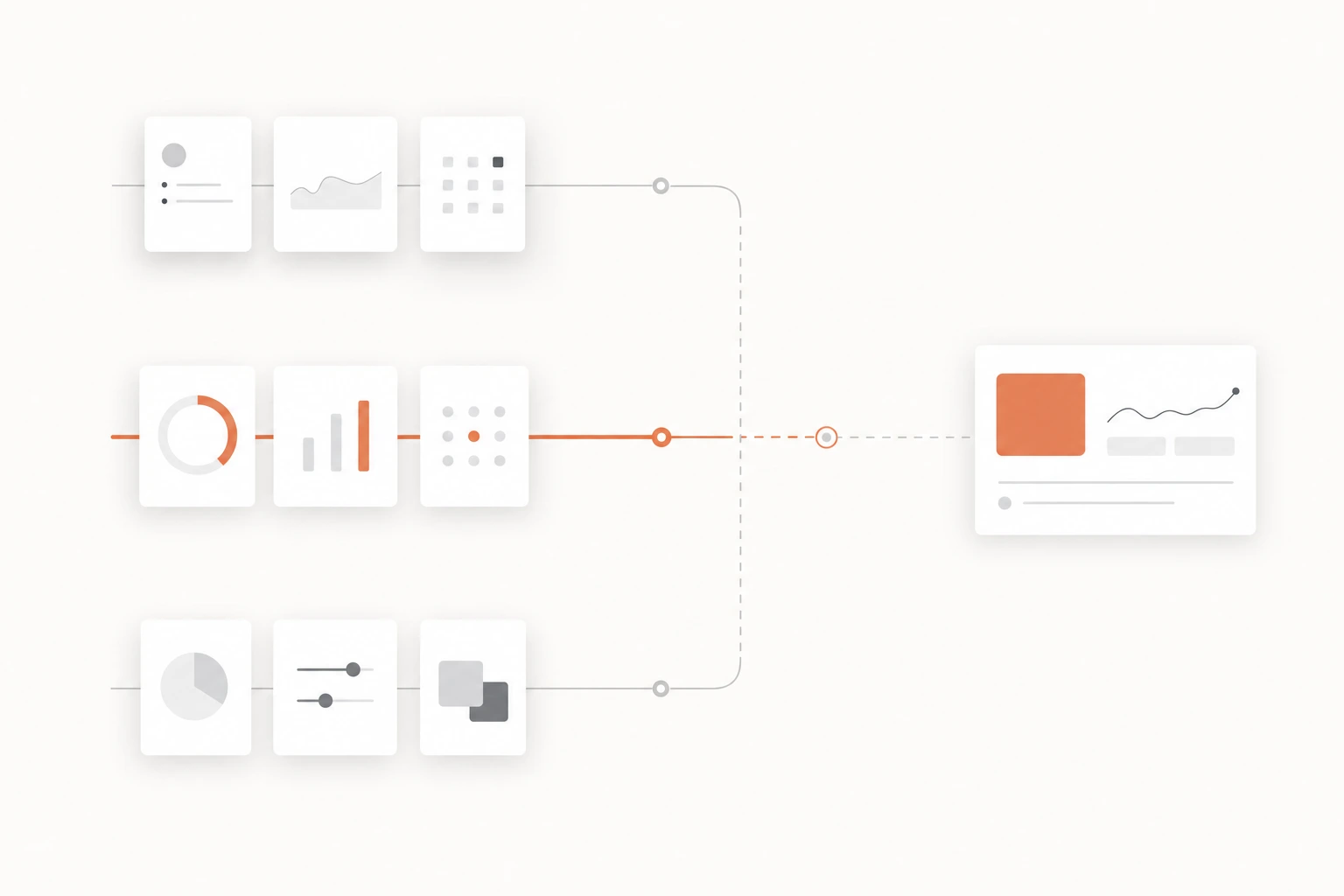
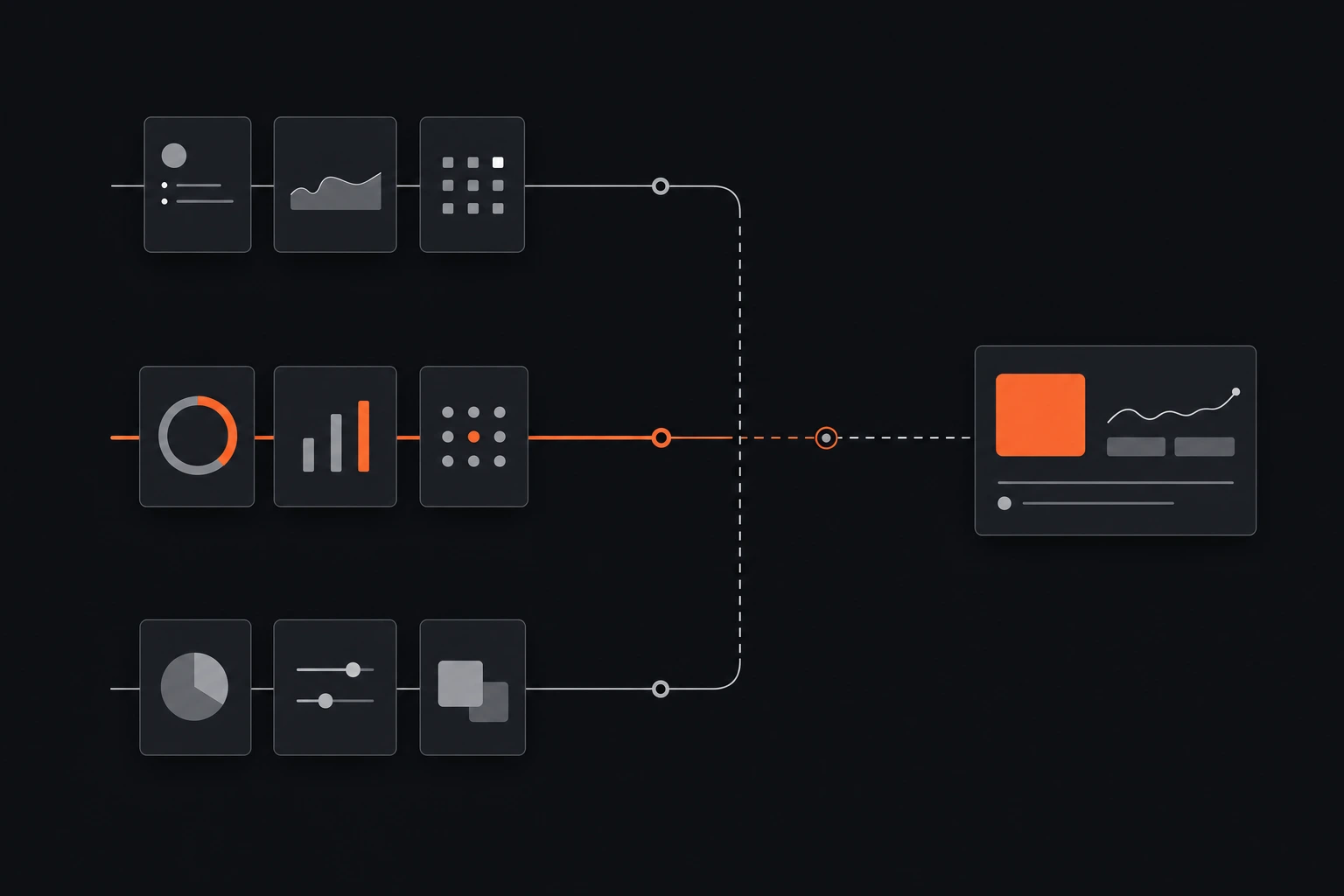
Shopify chargeback tools come as a stack
Prevention, deflection, and representment are three different jobs. Here is which tools recover revenue, which protect your ratio, and why rarely both.

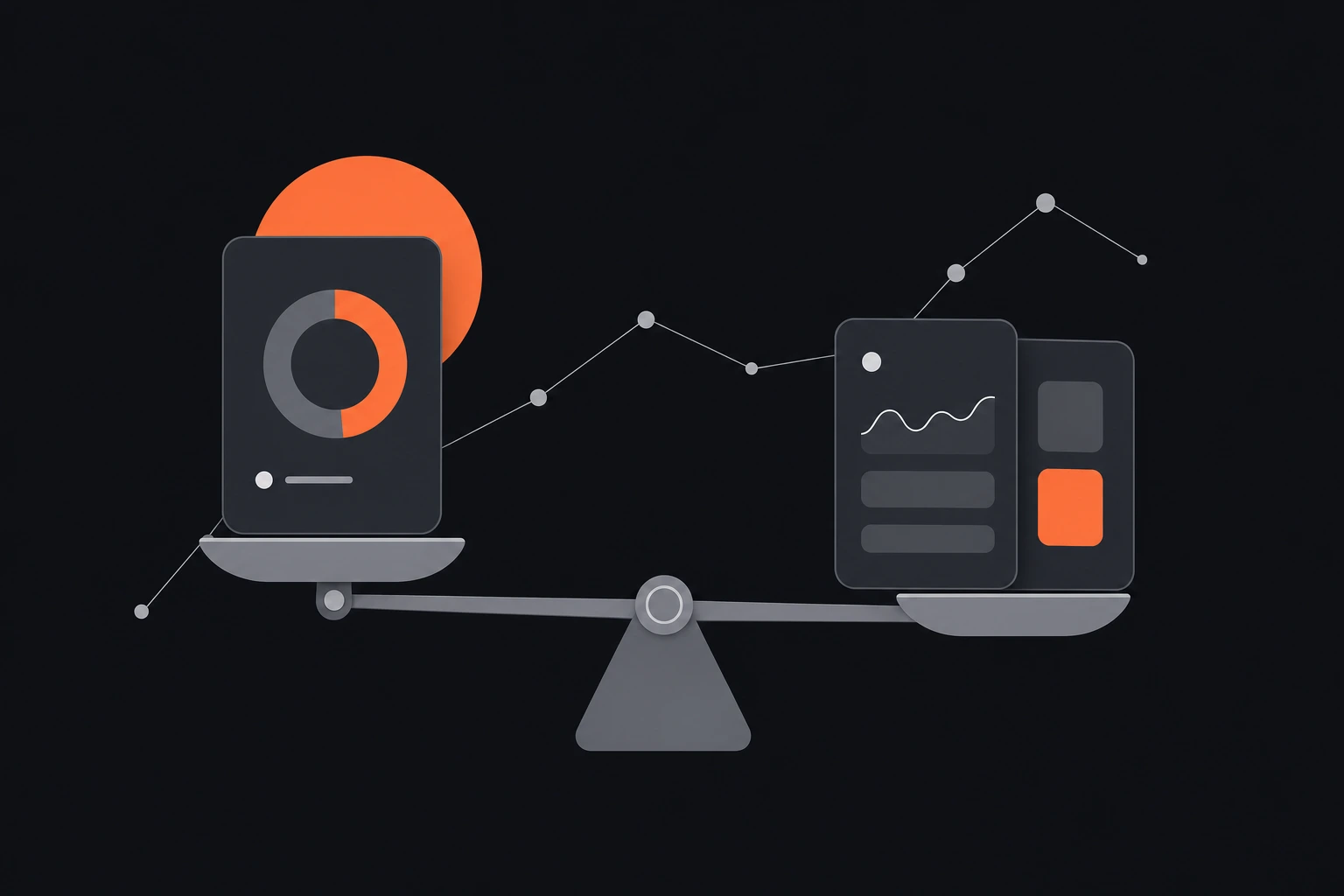
Chargeback vs refund cost on Shopify
The dollar math on a disputed order usually says fight it. The dollar math does not know how close you are to a VAMP threshold, and that is the whole problem.
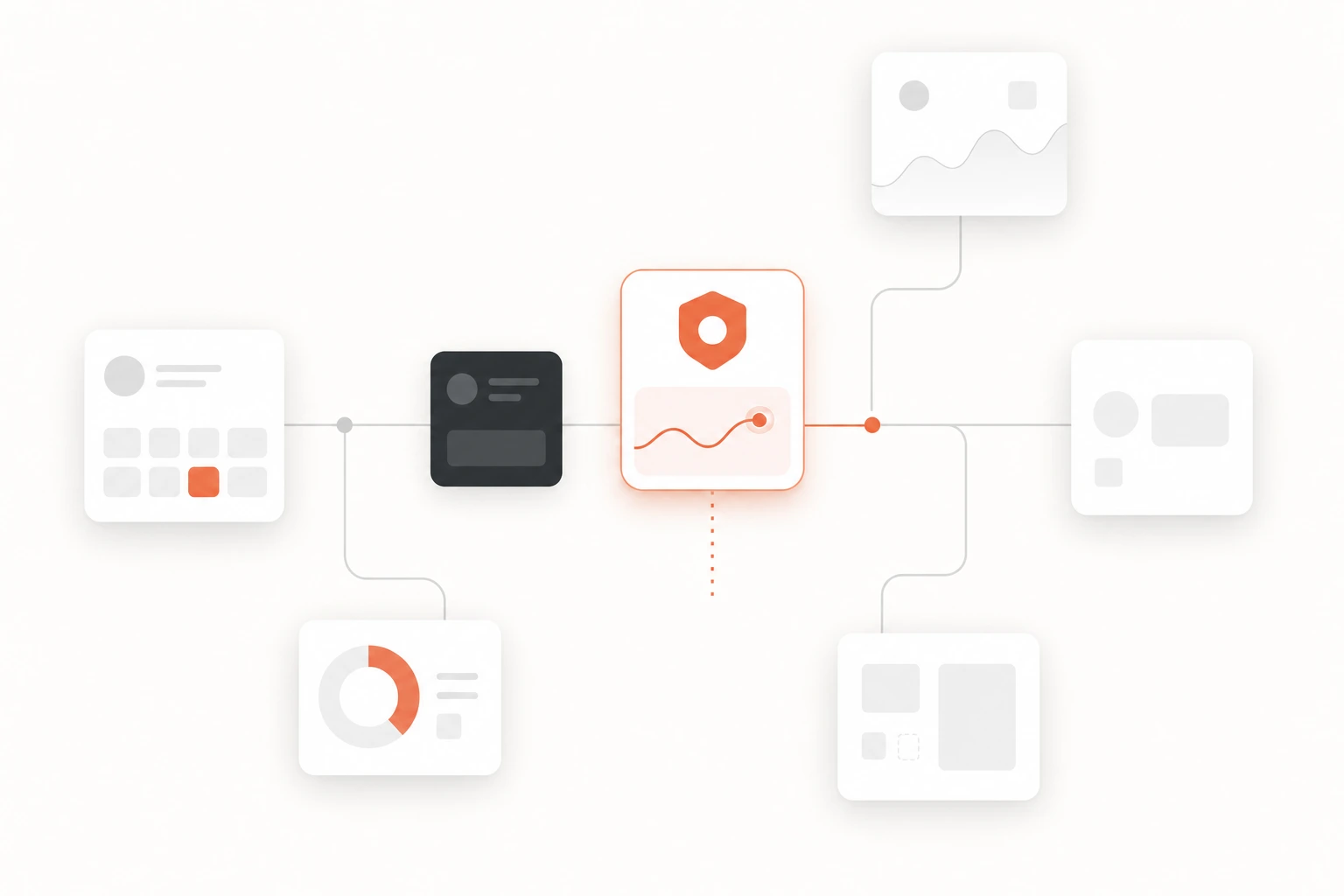
How Ethoca alerts work, and how they fail
Ethoca's refund target is about 24 hours, but Shopify never records the alert. What actually reaches a store, and the failure modes that erase the benefit.
Ethoca Consumer Clarity vs Order Insight
Consumer Clarity is Mastercard's purchase-detail tool, Order Insight is Visa's version of the same job. What each shows a cardholder, and why you need both.
Ethoca vs Verifi are complements, not rivals
Mastercard owns one, Visa owns the other. That single fact explains most of the coverage difference and why picking one is usually the wrong question.
What to fix when your chargeback ratio is high
A high ratio is a symptom, not a diagnosis. Sort last quarter's disputes by reason code, timing, and value before deciding which fix comes first.
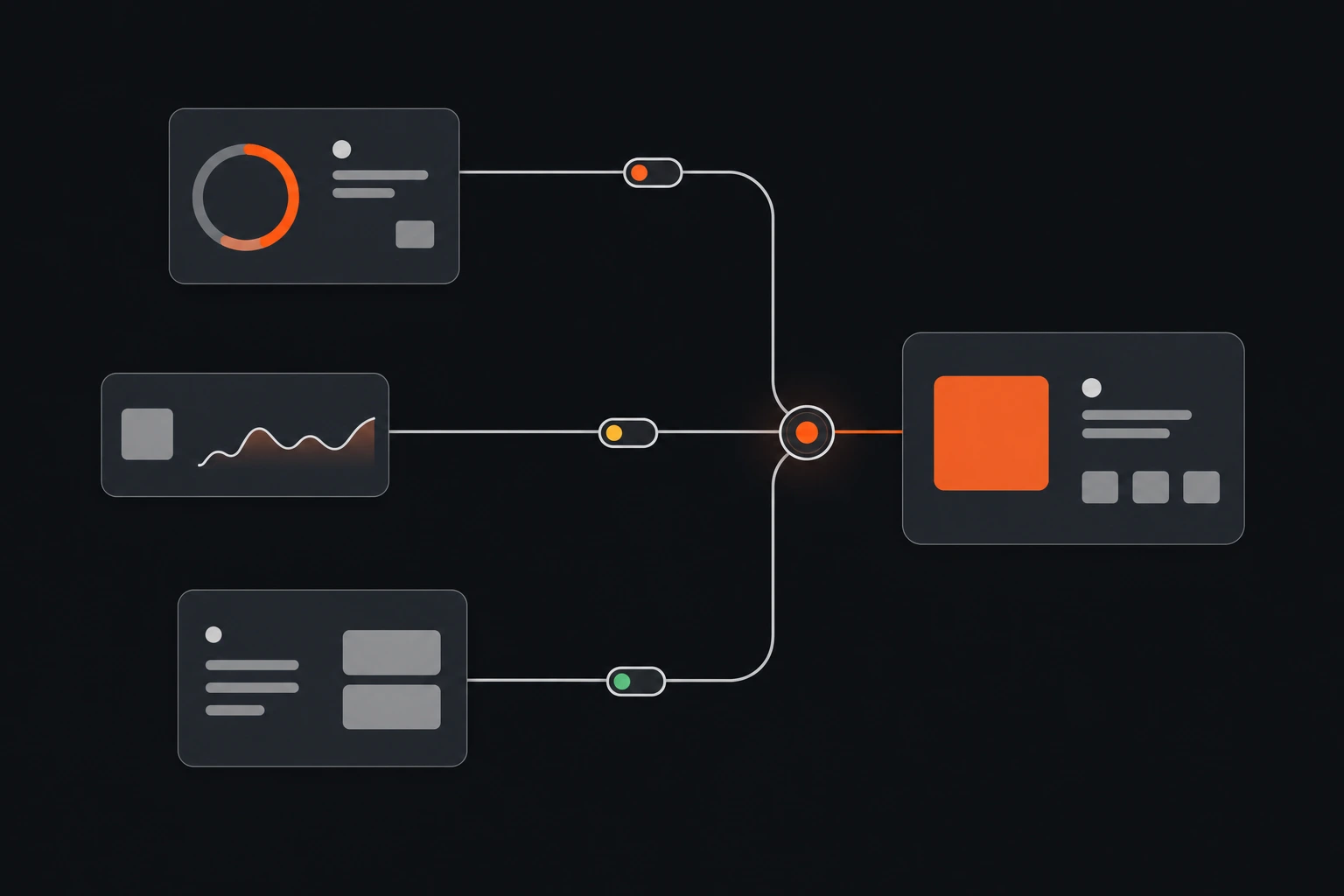
How chargeback alerts work, and what they miss
An alert is an issuer pausing a dispute long enough for you to refund it. Four things must be true before one reaches you, and vendors rarely list all four.
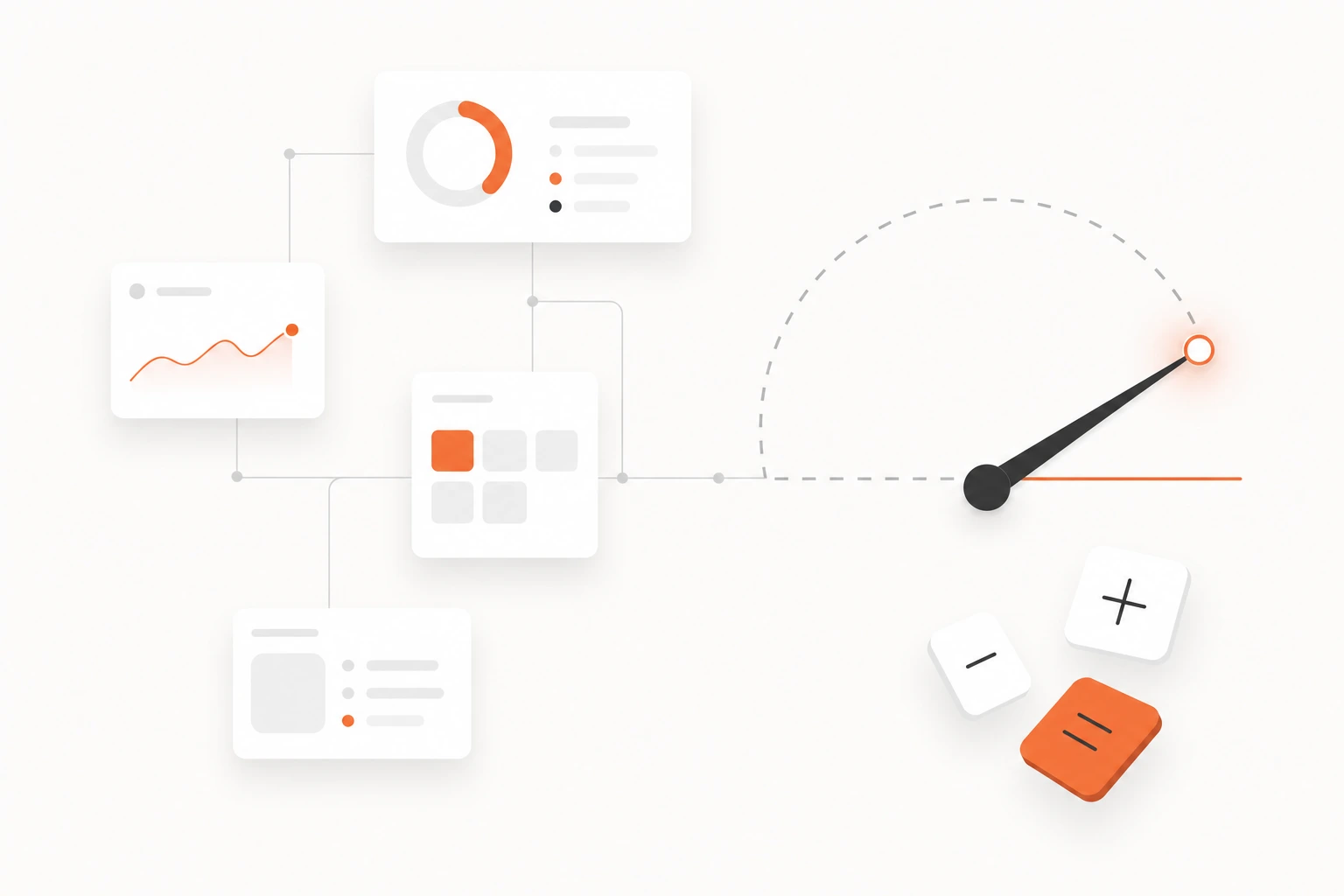
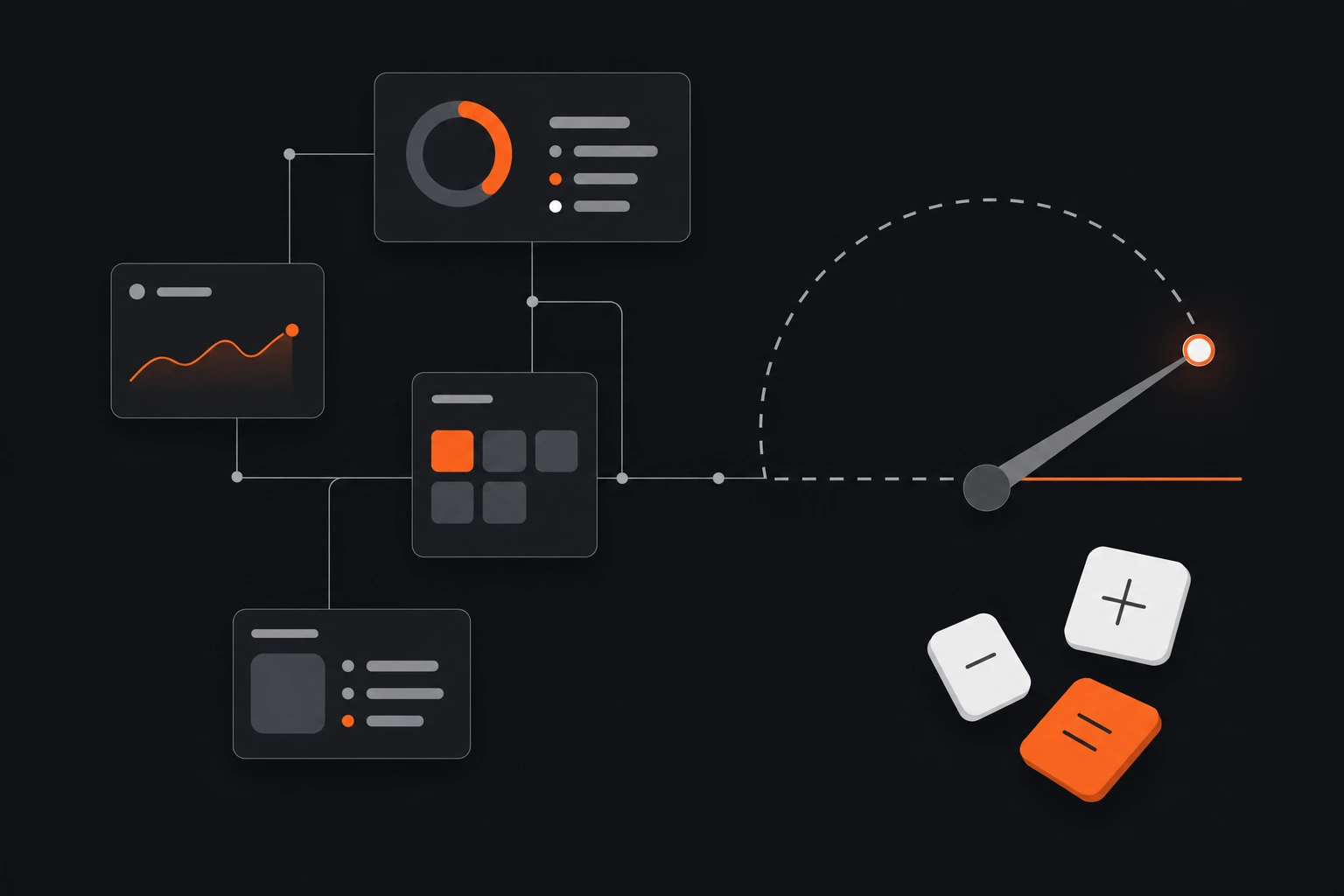
How to calculate your VAMP ratio, with a calculator
Visa's ratio counts TC40 and TC15 events over settled card-not-present transactions, not your Shopify chargeback rate. Run your own number below.
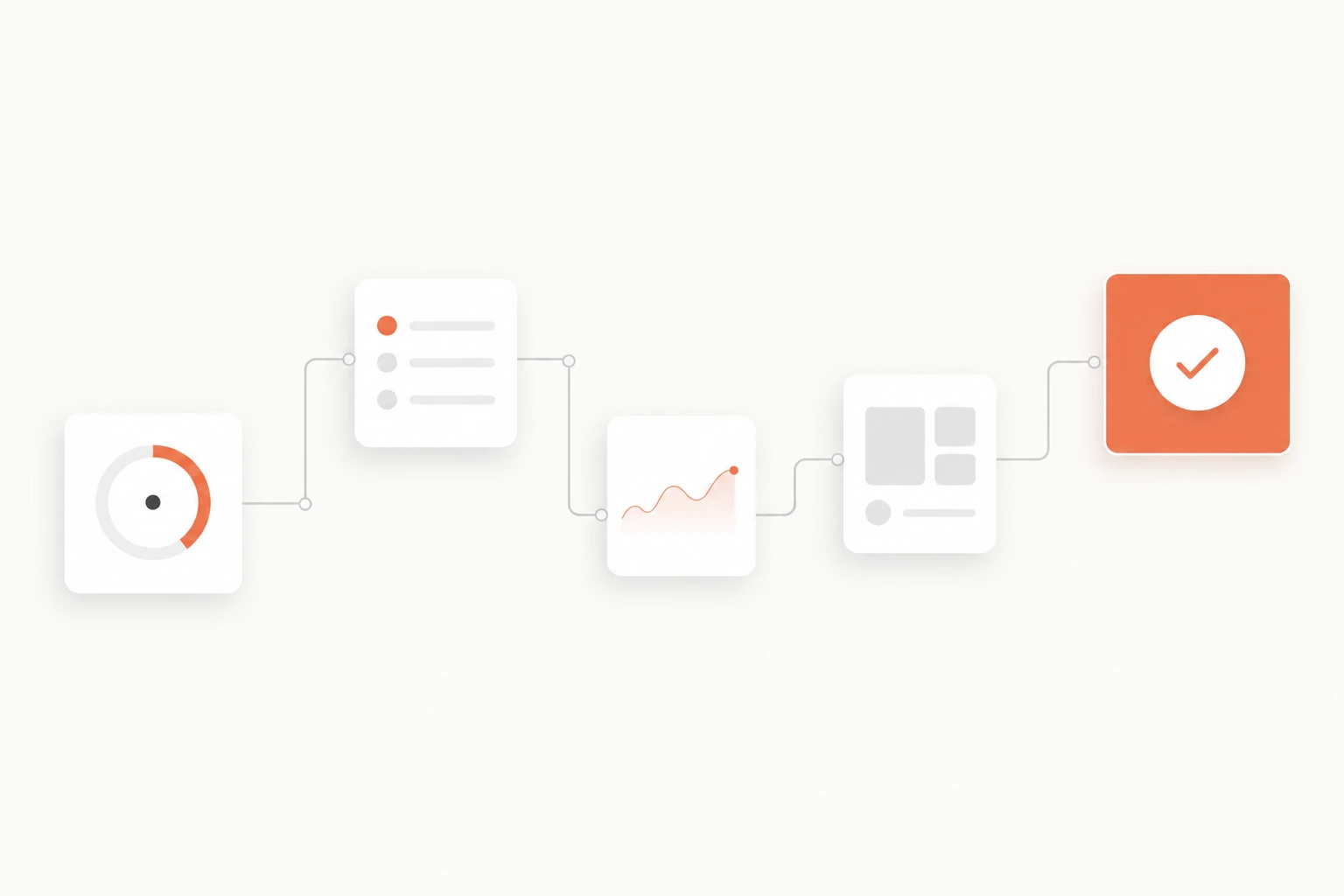
How to win a Shopify chargeback with evidence
Shopify auto-submits a response on the due date whether you write one or not. Here is how to build a packet that argues against the actual allegation.
The Mastercard chargeback reason codes you see
Five Mastercard codes cover most Shopify disputes: 4837, 4863, 4853, 4834, 4855. Two are retired in the current guide. What each requires as evidence.
What to do when pre-chargeback alerts arrive
Network alerts give you a window measured in hours, and PayPal's own pre-chargeback alert gives you twenty. Here is the order to work through before it closes.
Rapid Dispute Resolution and what it costs
Verifi's Rapid Dispute Resolution auto-refunds a dispute before it becomes a chargeback. When that protects your VAMP ratio, and when it just costs revenue.
Do RDR resolutions count as chargebacks?
An RDR resolution refunds the order before a chargeback exists, so it never becomes one and can stay off Visa's VAMP ratio, unlike a won dispute.
RDR vs CDRN solve different chargeback problems
Both are Verifi and both stop a dispute before filing. One resolves without you ever logging in. The other puts a 72 hour clock on your support desk.
Verifi CDRN, and how fast you have to move
Verifi's own page defines CDRN. Here is the merchant side: coverage, the 72 hour refund window, and how the case reconciles against your Shopify order.
What Verifi Order Insight shows the cardholder
Order Insight does not stop a dispute. It gives the cardholder's bank enough order detail that the customer recognizes the charge and never files one.
Visa chargeback reason codes for Shopify
The six Visa dispute codes a Shopify store actually receives, what each one alleges, the evidence that answers it, and whether it counts toward VAMP.
How Visa Compelling Evidence 3.0 works
CE 3.0 turned representment into a matching exercise: show two earlier orders from the same customer whose data elements line up with the disputed one.
What wins a Visa reason code 13.1 dispute
Reason code 13.1 means the cardholder says nothing arrived. An order confirmation doesn't prove it did. Here is the evidence that does, and when to concede.
The best chargeback software does three jobs
Ranked by fee model and how each vendor defines a win, from Reclaim's $0 to Chargeflow's 25% revenue share and Disputifier's capped 20%.
Shopify chargeback apps do three different jobs
Prevention, alert deflection, and representment are three different purchases. Here is what each Shopify chargeback app actually charges.
Chargeback alert pricing hides the biggest cost
Published per-alert fees run from about $15 to $29 depending on the network. That fee is the smallest line in what an alert program actually costs you.
What chargeback prevention services prevent
Fraud screening, network alerts, and representment all get sold as prevention. Only two of the three ever stop a dispute before it is filed.
Chargebacks911 pricing with no rate card
Chargebacks911 does not publish a rate card, so every number you find online is secondhand. Here is what actually sets your quote and how to price it.

Chargeblast pricing, three meters running at once
Chargeblast publishes a monthly plan, a per-deflection fee, and a percentage of recovery. Three meters run at once, and the biggest cost is on none of them.
Disputifier pricing, and the $250 cap per won case
Disputifier publishes 20% of recovered revenue capped at $250 per won case, and $0.05 per order on prevention. Alert pricing is quote-only. Here is the math.
How to reduce Shopify chargebacks
Prevention and deflection lower your Shopify dispute ratio. Fighting a chargeback recovers money but leaves the ratio untouched. Here is which lever you need.
The Shopify chargeback fee most guides get wrong
Shopify does not charge the fee at all, your bank does, and the amount is set by country. The US row says $15 and the UK row says £10.
How Shopify calculates your chargeback rate
Since January 28, 2026 Shopify's dashboard counts disputes resolved through Visa RDR, with a filter for the old number. It is not your acquirer's VAMP ratio.
How to fight a fraudulent chargeback on Shopify
Three different problems arrive under the same fraud label, and each needs different evidence: what device, IP, AVS, and order history can and cannot prove.
Shopify product not received chargebacks
A delivered scan is where most responses stop, and on its own it rarely answers what the issuer asked. Here is the carrier and contact evidence that does.
What Shopify chargeback protection covers
Coverage turns on two reason codes, a seven-day fulfillment clock, and a supported carrier. A reimbursed chargeback still counts in your chargeback rate.
How to fight a subscription chargeback on Shopify
Subscription disputes are won with a timeline, not a packet. Consent, reminders, cancellation attempts, and support messages have to line up in order.
Chargeback representment without the vendor spin
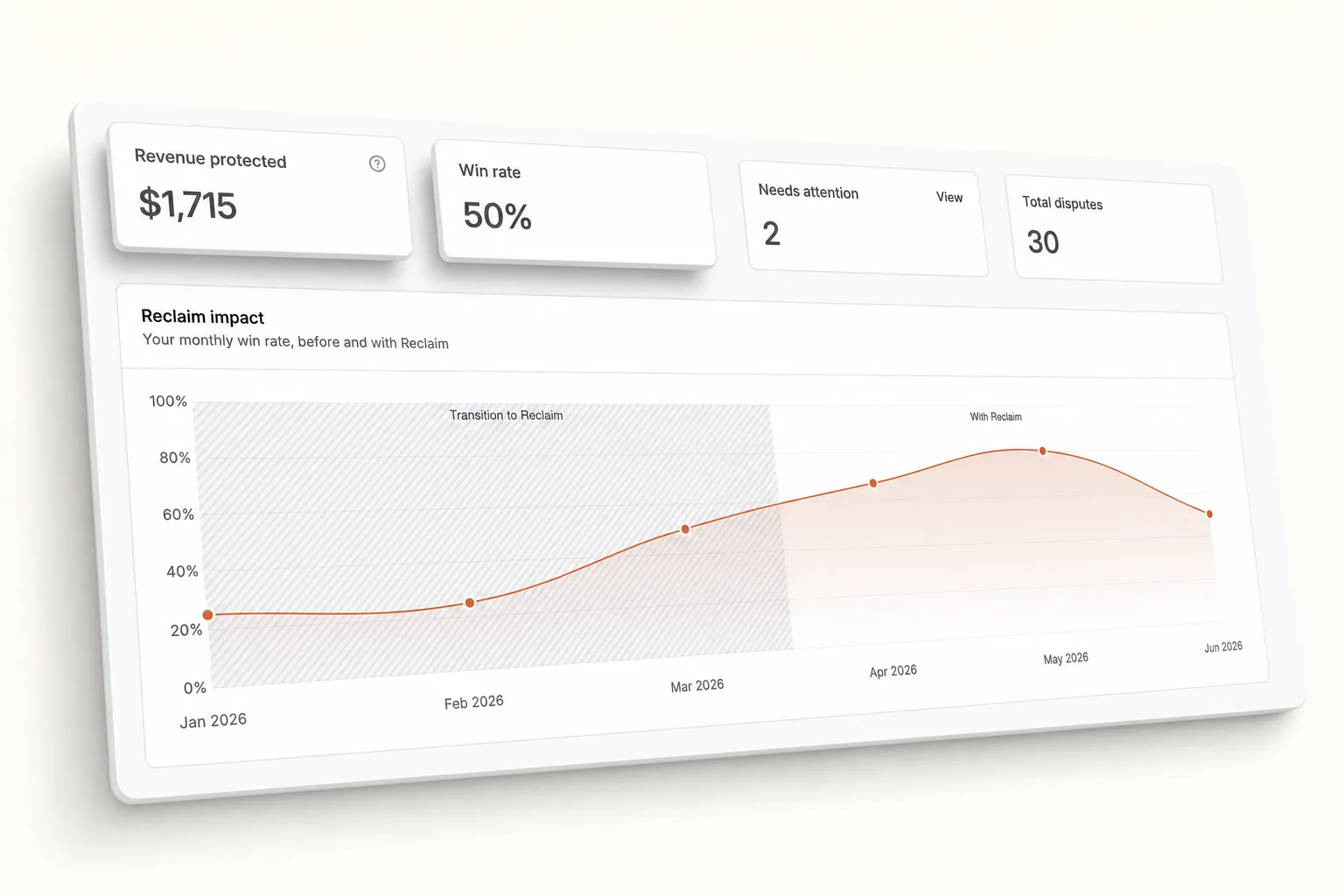
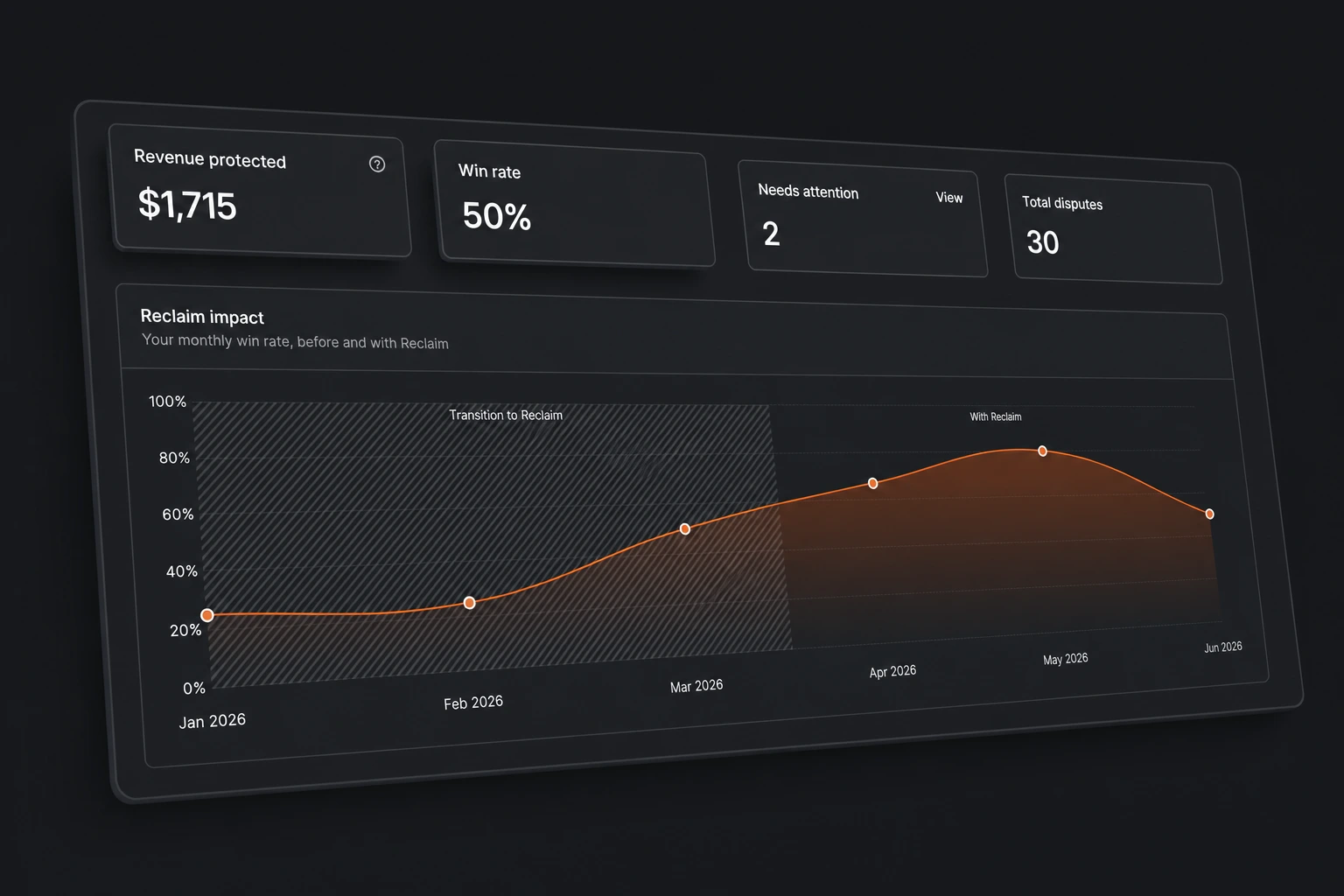
What representment is, which evidence answers which allegation, the cases you should not fight, and the math that decides whether filing is worth 30 minutes.
Visa VAMP thresholds for 2026 on Shopify
Visa's excessive-merchant threshold is 150 basis points (1.5%) in most regions as of April 1, 2026. The thresholds, the formula, and the exclusions that matter.
Chargeback representment pricing is six lines
The success fee is one line of six. Here is the full cost structure of chargeback recovery, with the figures each vendor publishes and the ones they do not.


Most Chargeflow alternatives do a different job
Most alternatives lists mix representment tools with fraud guarantees and card network infrastructure. Here they are sorted by job, coverage, and pricing unit.
Chargeflow pricing is four prices, not one
Chargeflow publishes 25% of recovered chargebacks, $29 per deflection, and $0.20 per scanned transaction. Here is how those four units stack on one bill.
The chargeback software that is actually free
Most products listed as free chargeback software are trials, free analytics tiers, or contingency pricing. Here is the difference, with a test you can run.
How to prevent Shopify chargebacks
Prevention is not a checklist, it is a handful of moments where a customer decides to contact you or contact their bank. Here is what to own at each one.