Chargeback alert coverage, and what it catches

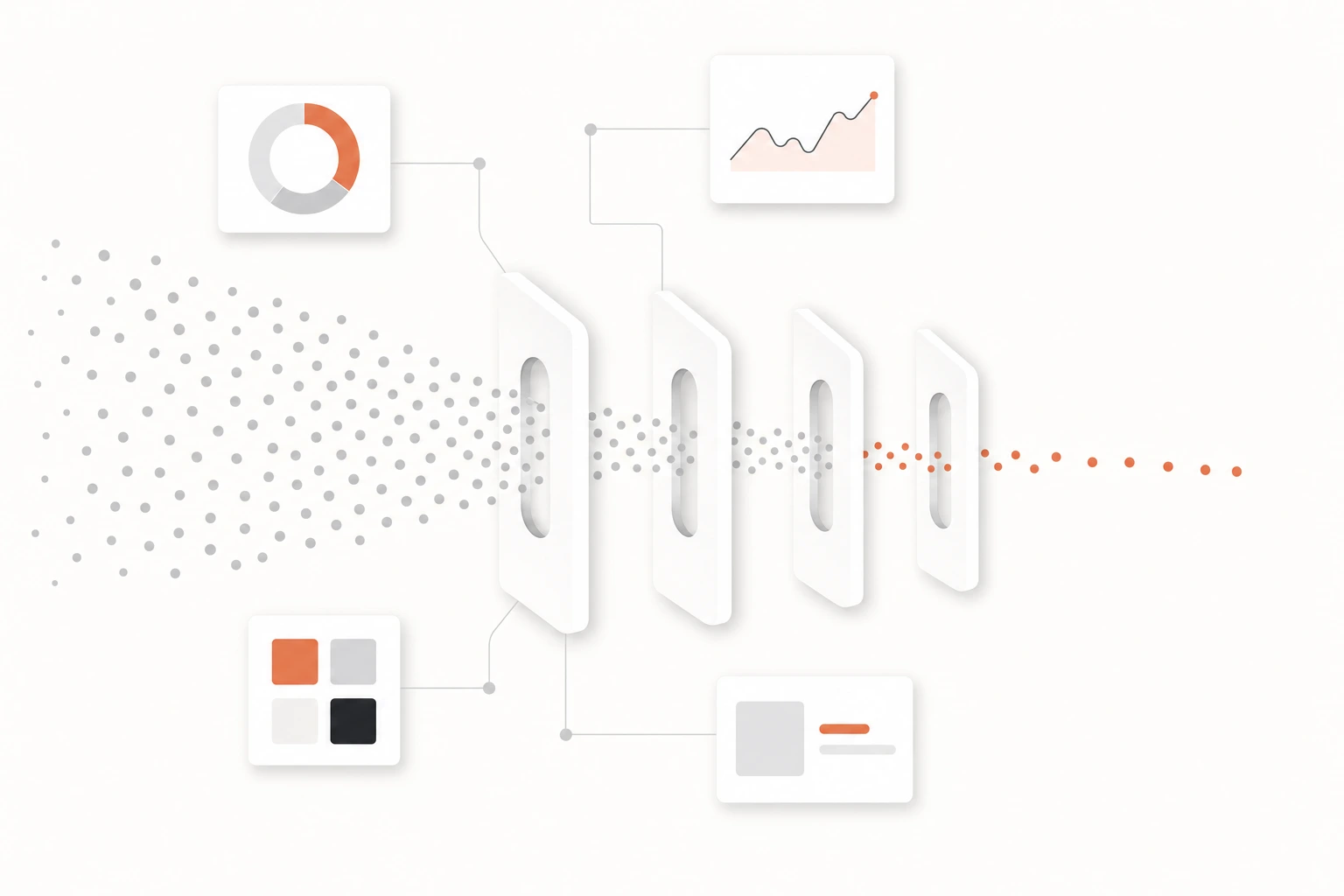
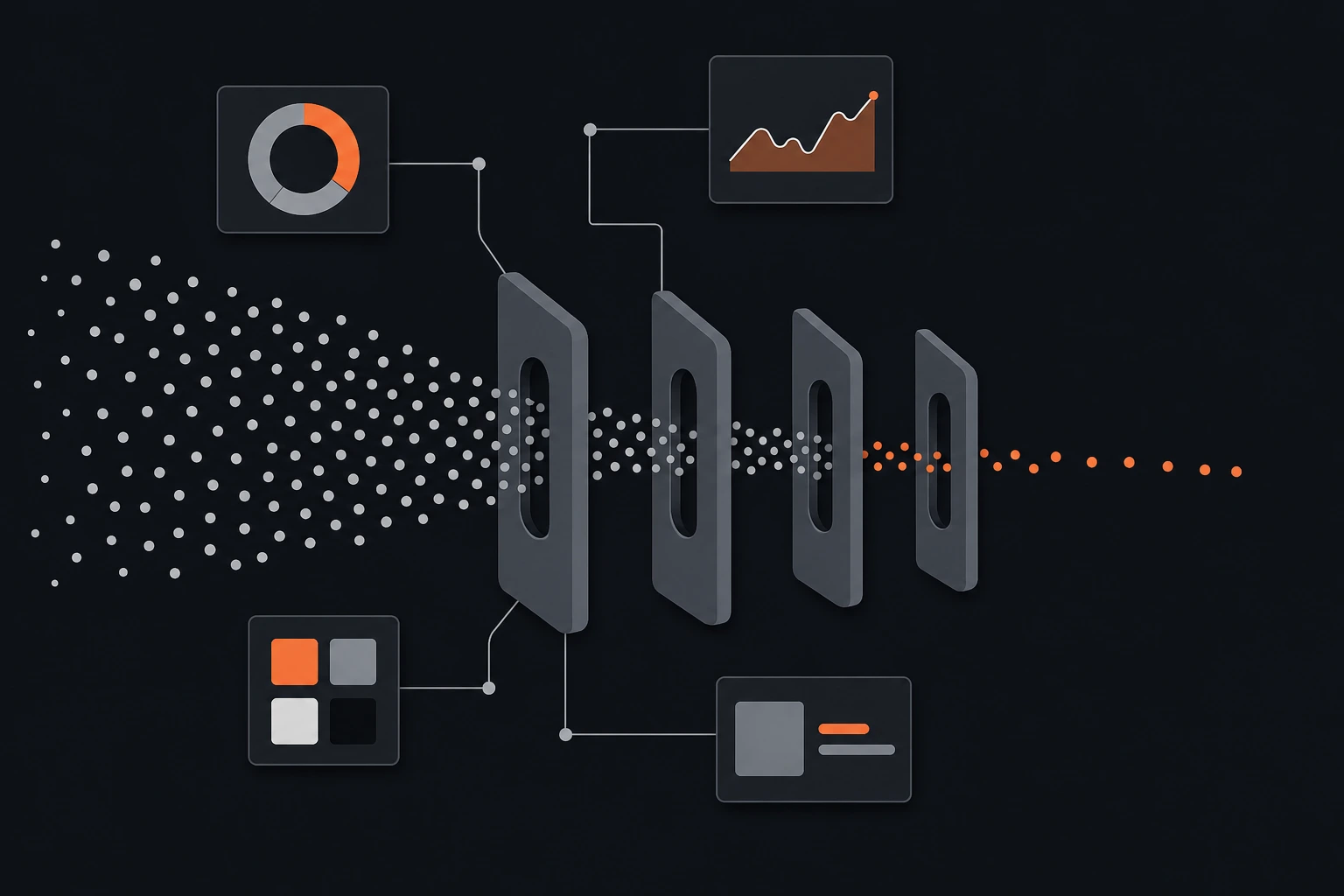
Ask a vendor what share of your disputes their alerts will catch and you will get a range. Ask them where the range comes from and the conversation changes.
Coverage is not something a reseller provides. It is a property of the two networks everyone resells, which is why the honest answer to "how much will you catch" begins with four conditions that have nothing to do with the vendor.
Nobody has better coverage than anybody else
Chargeback Gurus puts it directly, checked August 17, 2026: providers "are typically authorized resellers of both Verifi and Ethoca alerts," and "because these providers facilitate access to the same alert networks, they will all have the same level of coverage."
Disputifier's own help centre agrees on the underlying point: "All chargeback alert companies offer the same services. They are reselling alerts from two companies: Verifi (owned by Visa) and Ethoca (owned by Mastercard)."
So a coverage claim in a sales deck is a claim about Visa's and Mastercard's infrastructure, not about the vendor making it. The useful question is not who covers more. It is how much of the shared coverage survives the path to your inbox.
The four conditions, and where each one leaks
| Condition | Set by | What a failure looks like |
|---|---|---|
| The issuer participates in the programme | The bank, network by network | Silence. No alert, chargeback arrives normally. |
| The dispute is on a network you are enrolled in | Your enrollment | Amex and Discover disputes never alert at all |
| Your descriptor matches the enrollment | Your setup | Silence again, and enrollment still bills |
| The vendor ties the alert to a real order | The vendor's software | An alert you cannot action in time, or at all |
Only the last row is a genuine product difference. It is also the only one most merchants never ask about.
Issuer participation is decided bank by bank. Neither network publishes a participation list, and it changes. This is the largest single reason coverage is not universal and the one nobody can do anything about.
Network enrollment is your choice and your bill. Running only Visa programmes and wondering why Mastercard disputes arrive unannounced is a configuration problem, not a coverage problem. Amex is a separate matter: it runs its own dispute process outside these programmes entirely.
Descriptor matching fails silently. Ethoca matches on descriptor text and needs every variation; Verifi matches a registered customer service number. A miss produces no error, just an absence.
Order matching is where vendors actually differ. An alert arrives with a transaction reference, an amount, and a date. The vendor has to turn that into a specific Shopify order. Partial disputes, currency conversion, split captures and date mismatches all break naive matching, and what happens then is a real product question with a real answer.
The question that separates two vendors
Ask what share of alerts their system fails to match to an order, and what happens to those.
A vendor that has measured it will give you a number and describe the fallback, usually a human reviewing the exceptions. A vendor that has not will redirect to coverage percentages, which we have established are not theirs to claim.
Then ask the follow-up that matters commercially: am I billed for an alert you could not match? The network charged the reseller for that signal, so somebody absorbs it. Find out who.
Measure your own catch rate
You do not need a vendor's number. Your own dispute history gives you a better one.
Pull last quarter's chargebacks
Count how many were preceded by an alert
Split the misses by cause
Divide your total alert spend by disputes actually kept off the count
Step four is the one that reframes the purchase. A vendor at $15 an alert who matches 70% of them costs more per covered dispute than a vendor at $17 who matches 95%.
What we publish, and what we cannot
Our rates are on the published rate card: $15 per Visa RDR or CDRN alert, $24 per Ethoca alert, tiers printed, duplicates waived. Deflecting a dispute before it is filed runs on the same certified network integrations everyone in this category uses, which is exactly the point of this article.
What I will not publish is a coverage percentage, because it would be a number about Visa and Mastercard dressed up as a number about us. Anyone quoting you one should be asked where it came from and over what population.
The honest part
The four conditions above are the ones I can describe accurately. I cannot give you the distribution, because neither network publishes issuer participation rates and any figure I produced would be from our own book rather than the market. Your mix of issuers, geographies and card brands moves it more than the vendor does.
The commodity argument also has a limit that cuts against the framing here. Speed is not coverage, but it behaves like it: an alert that reaches a human eight hours late on a 24-hour window may as well not have arrived. Response time is what turns coverage into deflection, and it varies between vendors in a way coverage does not.
And "measure your own catch rate" is easier to write than to do. Matching alerts to chargebacks on order ID assumes both systems expose it cleanly, and some do not. If your vendor's export lacks order IDs, that is its own finding.
Frequently asked questions
What percentage of chargebacks do alerts catch?
There is no single figure, and any vendor quoting one is describing the networks rather than their own product. Four things must all be true: the issuer participates in the programme, the dispute is on a network you are enrolled in, your descriptor matches the enrollment, and the vendor can tie the alert to a real order. Measure your own rate by counting how many of last quarter's chargebacks were preceded by an alert.
Do some alert providers have better coverage than others?
No, on coverage itself. Chargeback Gurus states that because providers access the same Verifi and Ethoca networks they all have the same level of coverage. Where vendors genuinely differ is in matching alerts to orders and in how fast the alert reaches someone who can act on it.
Why did I get a chargeback with no alert?
Most likely the issuer does not participate in the programme, the dispute was on a network you are not enrolled in, or your billing descriptor does not match the enrollment. Amex and Discover disputes never alert through Ethoca or Verifi at all, since those run outside the Visa and Mastercard programmes.
How should I compare alert vendors if coverage is identical?
On cost per covered dispute rather than cost per alert. Ask what share of alerts their system fails to match to an order, what happens to those, and whether you are billed for them. A cheaper alert that matches less often is more expensive per dispute actually kept off your count.
The count to run before your next renewal: last quarter's filed chargebacks, and how many of them your alert vendor saw first. If that ratio is lower than you assumed, work out which of the four conditions failed before you blame the vendor, because three of the four are yours to fix.