Shopify chargeback tools come as a stack

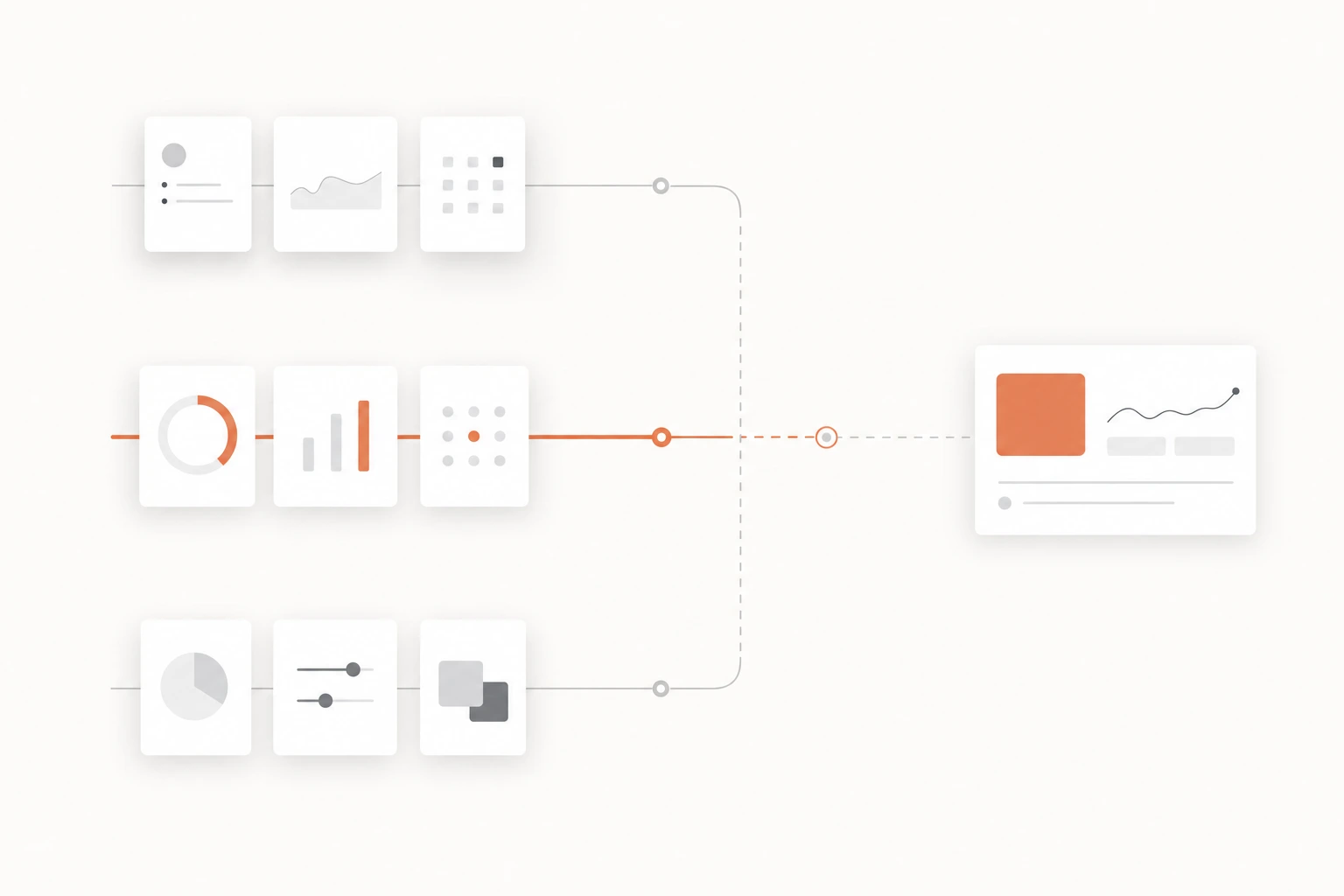
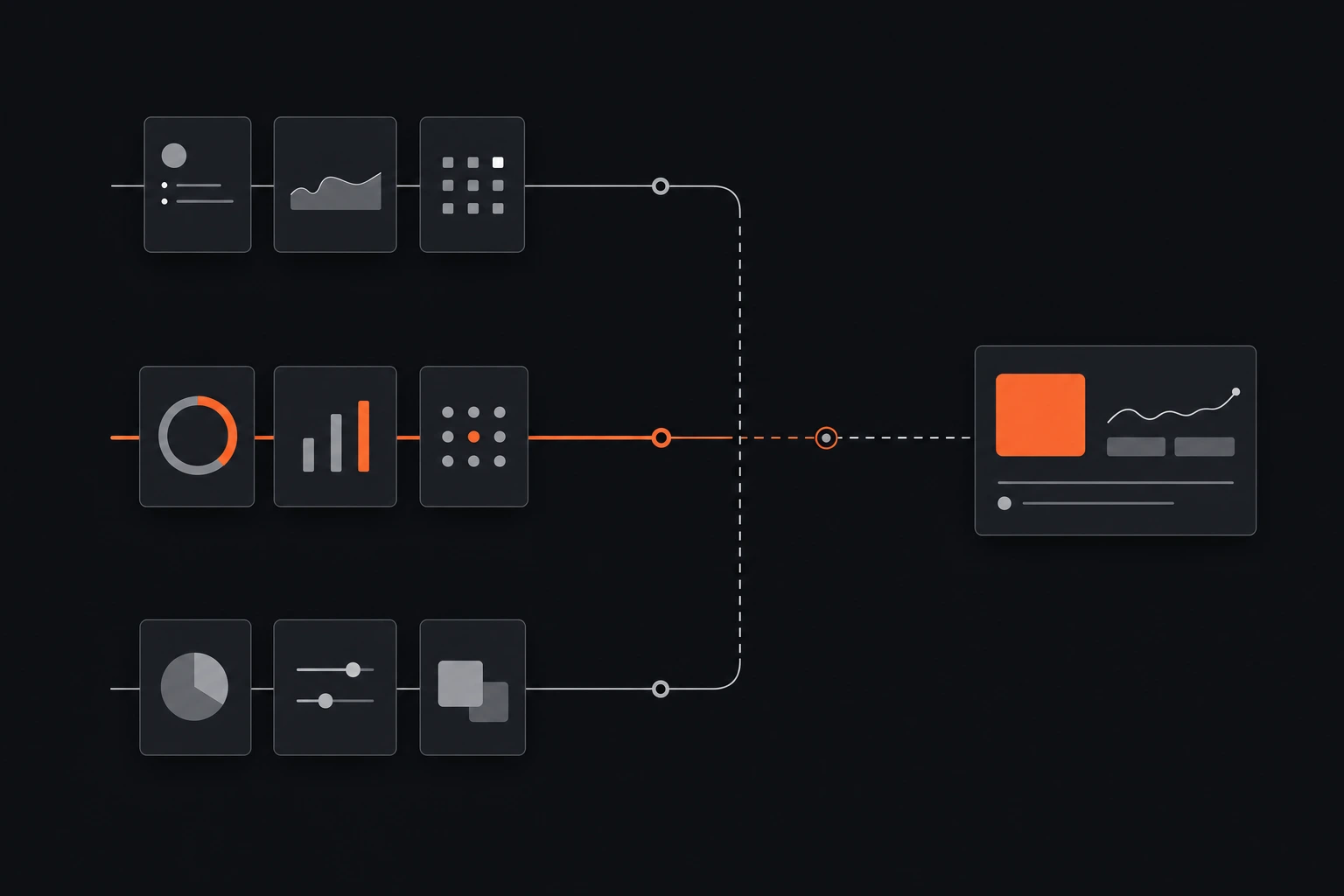
Search for chargeback tools and the results are not vendor pages. They are Shopify community threads where merchants list what they run and ask what they are missing. That is unusual for a category with dozens of paid products, and it tells you something true: nobody sells one tool that does the whole job, so merchants assemble their own stack by hand. That is why chargeback management is better understood as a process run across a stack than as a single product.
There is no single chargeback tool because there is no single chargeback problem. There are three separate jobs, each priced in its own unit, each measured by a different number, and a product built for one is rarely good at another.
The three jobs, and what each is actually for
Prevention stops the dispute from starting at all. A clear billing descriptor, an honest delivery estimate, a working self-service edit window, and fraud screening before you fulfill. Signifyd and NoFraud take on liability for approved orders and charge a percentage of order value to do it. Shopify Protect covers a narrower band of eligible orders automatically. None of this touches a dispute that has already been called in to the bank.
Deflection catches a dispute after the cardholder has contacted their issuer but before a chargeback is formally filed. The card networks push an early signal in that window: Ethoca describes sending "near real-time alerts" to the merchant, and Verifi's CDRN pauses a case and posts it for 72 hours before it proceeds to a chargeback (Verifi, checked July 22, 2026). Visa's Rapid Dispute Resolution works differently again: it is rules-based and automatic, refunding a matching dispute in seconds against criteria the merchant sets in advance, rather than waiting for a person to act on an alert.
Representment fights a chargeback that has already landed, after the fact. It assembles evidence against the specific reason code and submits before the deadline Shopify sets, which runs 7 to 21 days after filing (Shopify Help Center, checked July 22, 2026). Chargeflow and Disputifier are the two names that show up most in this row, alongside Redo's own Reclaim.
Here is the same breakdown as a table, with the question that actually decides which row you need.
| Tool category | Job | Recovers revenue? | Protects the ratio? | Typical pricing model |
|---|---|---|---|---|
| Fraud screening / guarantee (Signifyd, NoFraud, Shopify Protect) | Prevent the dispute from ever being called in | No, it avoids the loss rather than recovering it | Yes, indirectly, by reducing the count filed | Percentage of approved order value |
| Descriptor, delivery, self-service (Resolve and similar) | Remove the confusion that gets miscoded as fraud | No | Yes, at the source, by cutting disputes before they start | Platform fee, not per-dispute |
| Deflection / alerts (Ethoca, Verifi CDRN, Visa RDR, Redo Alerts) | Resolve a dispute after contact, before it is filed | No, the order is refunded, not recovered | Yes, subject to the timing of the data extract | Per alert, or per deflected chargeback |
| Representment (Chargeflow, Disputifier, Reclaim) | Fight a filed chargeback for the money | Yes, that is the entire point | No, the dispute already counted the day it was filed | Percentage of recovered revenue, or $0 for Reclaim |
Read the third and fourth columns first. A tool can be excellent and still be the wrong purchase, if its job is not the job you have.
The distinction that decides the purchase
This is the one thing worth being precise about, because vendor pages tend to blur it. Visa's monitoring fact sheet counts fraud records plus disputes against settled transactions, and it excludes exactly two things from that count: disputes resolved through a pre-dispute solution, and fraud that qualifies under Compelling Evidence 3.0. A dispute you won at representment is not on that exclusion list. It was filed, so it counted, and it stays counted regardless of the outcome.
That single fact splits the tool category into two groups that most roundups list side by side as if they compete. Prevention and deflection compete for keeping the count down. Representment competes for getting money back on disputes that already happened. A merchant whose acquirer just flagged a rising ratio does not have a representment problem, however good the win rate is. A merchant losing winnable cases to sloppy evidence does not have a ratio problem, however many alerts they subscribe to.
Deflecting a dispute before it is filed is the only representment-adjacent move that actually moves the ratio, and it works on a narrow window: the issuer has to participate in the network, the case has to route through the bank rather than around it, and someone has to act inside the pause before it expires. Read how chargeback alerts work and what they cannot catch for the coverage gaps that vendor demos tend to skip past.
What each layer actually costs
The pricing units are not comparable, which is why merchants stack tools rather than pick a winner from one roundup.
Chargeflow's pricing page lists three units: 25% of the recovered amount on representment, $29 per deflected chargeback on Alerts (custom pricing above 50 a month), and $0.20 to $0.40 per scanned transaction on its fraud-prevention product, with the first 1,000 scans free (chargeflow.io/pricing, checked July 22, 2026). Disputifier publishes 20% of recovered revenue capped at $250 per won chargeback for representment, $0.05 per order for fraud prevention, and quotes alert pricing by volume rather than publishing a rate (disputifier.com/pricing, checked July 22, 2026). Signifyd does not publish a number at all: its pricing page states plainly that it "charges a percentage of the order total when an order is approved," varying by product, vertical, volume, and average ticket, with nothing charged on a declined order (signifyd.com, checked July 22, 2026).
Reclaim is the outlier in that last row. No install fee, no monthly minimum, no success fee, and the merchant keeps 100% of what comes back. That is possible because representment runs on infrastructure Redo already operates for the rest of the post-purchase stack, so it behaves like a feature rather than a metered product with its own revenue share to collect. I have to be equally plain about the other two layers: neither Resolve nor Alerts publishes a rate card, and describing either as free would be false. They are demo and partner-program products, priced the way most of the prevention and deflection row in that table is priced, by quote.
For the prevention side specifically, preventing Shopify chargebacks before the bank gets involved covers the descriptor, delivery, and self-service work that a guarantee product does not touch, because it is not fraud liability, it is confusion, and no percentage-of-order-value fee fixes a wrong billing descriptor.
The honest part
A pitch promising one tool for prevention, deflection, and representment together is worth reading closely, because in practice one of those three layers is usually the weak one. Chargeflow sells across all three and still prices each as a separate line item, which is itself an admission that they are three products stitched under one login rather than one engine doing three things equally well. I would rather say plainly which layer Redo is strongest in, representment, than imply otherwise.
Deflection has a real cost that the coverage numbers do not show. You refund every case that matches, including cardholders who would have abandoned the dispute on their own, and on a low-value order the refund plus the alert fee can exceed the chargeback fee you avoided. Visa's own exclusion language for deflected disputes is conditional on the timing of the data extract, so a case resolved close to a reporting cutoff may still land in that period's count. None of that makes deflection a bad purchase. It makes "buy one thing and stop worrying about the ratio" a false promise, from any vendor selling it.
Representment has the opposite honest limit: it is bounded by what a fair reading of the reason code and the evidence can win. A vendor charging a smaller percentage is not doing a better job if their evidence quality is worse, and a $0 success fee is only worth something if the case gets fought properly at all.
The stack to actually check
Pull last quarter's disputes and sort them two ways: by reason code, and by whether the acquirer has flagged your ratio. If the ratio is the live problem, the purchase belongs in the prevention and deflection rows, not the representment row, no matter how good its win rate reads. If the ratio has headroom and you are simply losing cases you should win, the fix is a better representment product, and there is no reason to pay a revenue share for one when a free option exists. Price each layer against the job it actually does, not the job you assumed it did.
Frequently asked questions
What tools do I actually need to manage Shopify chargebacks?
It depends which job your disputes are failing at. If your dispute ratio is climbing, you need prevention (clear descriptors, delivery communication, fraud screening) and deflection (Ethoca, Verifi CDRN, Visa RDR). If your ratio is stable and you are losing winnable cases, you need a stronger representment tool. Most merchants end up running one tool per job rather than a single all-in-one product.
Do chargeback alert tools protect my dispute ratio?
Yes, conditionally. Visa excludes disputes resolved through a pre-dispute solution from its ratio calculation, but the exclusion is contingent on the timing of the data extract, so confirm the treatment with your acquirer rather than assuming every deflected case is excluded.
Does a chargeback representment tool lower my dispute ratio?
No. A dispute is counted against your ratio on the day it is filed, and winning the representment only affects whether you get the money back. Representment tools recover revenue; they do not remove the dispute from the count.
Is one chargeback tool enough to cover prevention, deflection, and representment?
Rarely. Each job is priced in a different unit (percentage of order value, per alert, percentage of recovered revenue) and rewards different strengths. A vendor selling all three usually still bills them as separate line items, which is itself a sign that one layer is stronger than the other two.