Rapid Dispute Resolution and what it costs


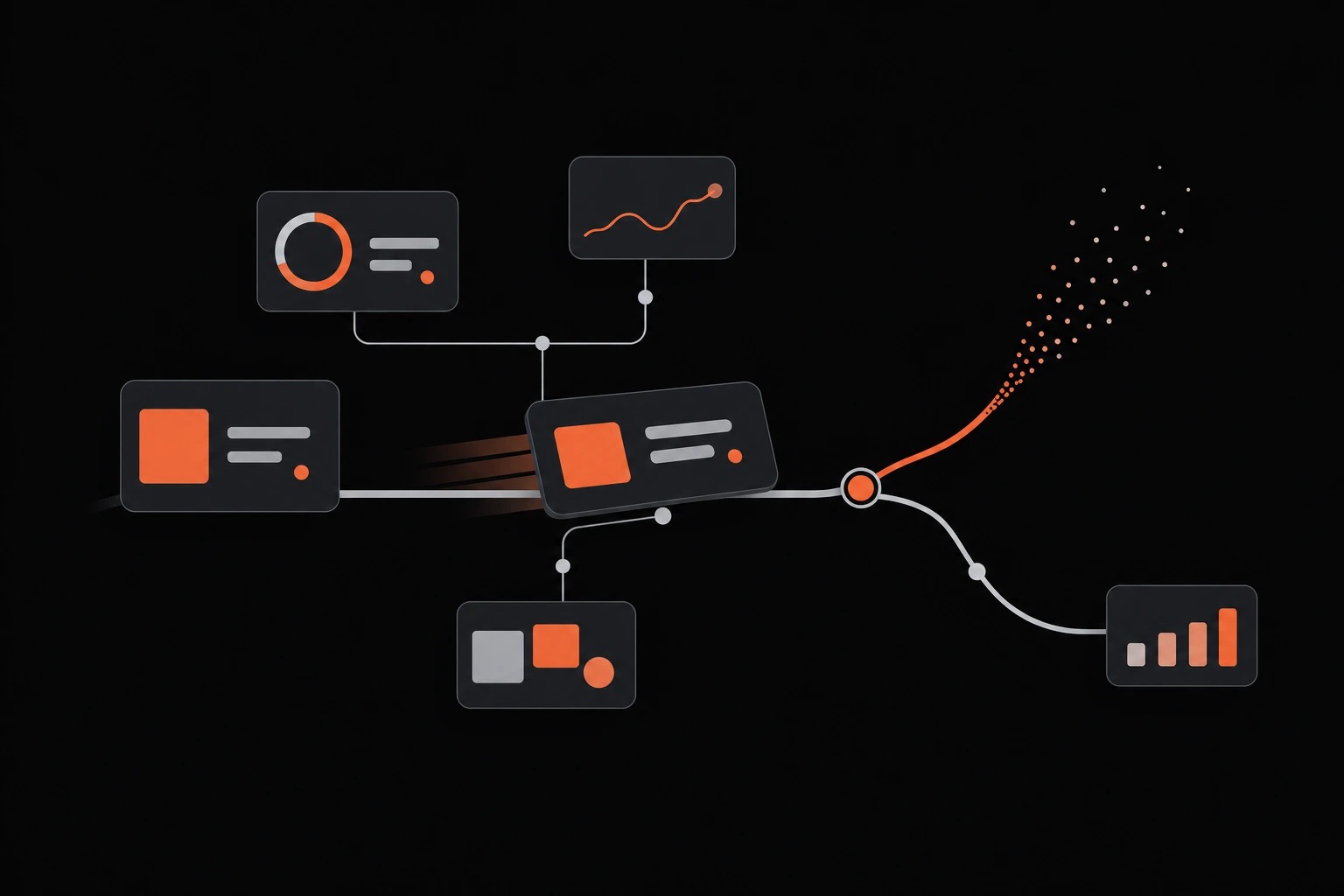
Rapid Dispute Resolution is Visa's automated pre-chargeback refund program, built and operated by Verifi. When a cardholder disputes a transaction with their issuing bank, RDR checks the case against rules you configured in advance. If it matches, the cardholder is credited and the chargeback is never filed.
Nobody at your store approves that refund in the moment. The rule already did, days or weeks earlier, when you wrote it.
What Rapid Dispute Resolution actually is
RDR sits in the window after a cardholder calls their issuing bank and before a chargeback posts to your account. Verifi describes it as letting a merchant "automatically resolve Visa disputes with a customizable decision engine that instantly credits the cardholder before a chargeback is initiated."
The rules run on transaction attributes you set ahead of time: issuer BIN, transaction date, transaction amount, currency, purchase identifier, dispute category, and condition code. A pre-dispute that matches an accept rule is decisioned in real time and credited. One that doesn't match falls through to the standard chargeback process, exactly as if RDR didn't exist.
That is the whole mechanism. There is no review step at the moment of firing. The judgment happened when you wrote the rule, not when the dispute arrived.
Verifi runs Visa's RDR, and enrollment is not automatic
RDR is a Verifi product, and Verifi is owned by Visa, so the program is Visa transactions only. It has no reach into Mastercard, Amex, or Discover disputes. If a meaningful share of your volume sits outside Visa, RDR structurally cannot touch it, and how RDR compares to CDRN is worth reading before you assume one subscription covers your whole dispute mix.
Getting live takes a few concrete steps, and the first one is the one Shopify merchants tend to skip.
Find your actual acquirer and its BIN and CAID
With Shopify Payments, the acquirer behind your account isn't obvious from the admin. RDR enrolls against a specific BIN and CAID, the identifiers tied to your merchant account, so you need those from your payment processor before anything else can move.
Write the decision rules
Set the attributes RDR will match on: issuer BIN, amount, date, currency, purchase identifier, dispute category, and condition code. Narrow rules cost less in wrongly refunded orders; broad ones enroll faster and refund more.
Submit to Verifi and go live
Existing CDRN clients sign an addendum; everyone else sets up a new contract. Once parameters are submitted and approved, matching pre-disputes start resolving automatically. Anything that doesn't match still becomes a normal chargeback.
Does RDR protect your VAMP ratio, or does it just refund revenue?
This is the question that actually matters, and it has two different answers depending on timing.
Visa's Acquirer Monitoring Program fact sheet defines the ratio as fraud reports (TC40) plus disputes (TC15), divided by settled transactions (TC05). It lists exactly two exclusions from that count: disputes resolved through pre-dispute solutions, and TC40 fraud that qualifies under Compelling Evidence 3.0. Both exclusions carry the same caveat in Visa's own wording, contingent on the timing of the data extract.
An RDR-resolved case is, by definition, resolved before the chargeback is filed. Verifi states plainly that "disputes resolved before a chargeback initiates do not count against Visa's dispute ratio," and separately that "qualifying RDR auto-resolved disputes will not count against the seller's dispute ratio." That puts RDR squarely inside the pre-dispute exclusion, when it works as described.
This is the same distinction that runs through winning a chargeback does not fix your dispute ratio: representment recovers money without touching the count, because the dispute was already filed. RDR is different in kind, not degree. Done in time, it keeps the case from being filed at all, which is the only thing on Visa's exclusion list besides CE 3.0. The 2026 VAMP thresholds are the number this is all protecting you from crossing.
RDR is one of three signals that fire in this same pre-filing window, alongside CDRN and Ethoca. Treating those three feeds as one deflection queue instead of three separate subscriptions is why Redo built Alerts on top of them rather than asking a merchant to reconcile which network fired first on a given order.
Why your Shopify chargeback rate might look worse than your VAMP ratio
Here is the part most coverage of RDR never touches, because it's specific to how Shopify reports the number.
Shopify's own changelog, dated January 28, 2026, states that "the updated chargeback rate metric now includes all disputes, including those resolved through programs like Visa's Rapid Dispute Resolution (RDR)." Merchants can filter reports to see the traditional view without RDR events. The same post is explicit that this is a display change: "there are no changes to how Shopify evaluates risk."
So two numbers now diverge. Your Shopify admin's chargeback rate graph, by default, includes RDR-resolved disputes and can climb the day you turn RDR rules on, even though those same disputes may be excluded from the VAMP ratio your acquirer actually reports to Visa. If you're watching the dashboard number and see it rise after enrolling in RDR, that's likely the display change, not new risk. Filter by RDR in Shopify's reports to separate the two, and reconcile against what your acquirer tells you it is actually counting, since that acquirer figure, not the Shopify dashboard default, is the one tied to VAMP thresholds.
What an RDR refund actually costs you
A rule that fires is not a free outcome. It trades one cost for a different one.
| Outcome | What you keep | What you pay | VAMP ratio effect |
|---|---|---|---|
| RDR auto-refund | Nothing, full order refunded | Refunded order value, plus any acquirer processing fee | Excluded from the numerator, contingent on extract timing |
| Chargeback fought and won | Full order value | 20 to 45 minutes assembling evidence | Stays in the numerator, the dispute was already filed |
| Chargeback lost | Nothing | Refunded order value, plus a chargeback fee of $15 to $25 or more | Stays in the numerator |
RDR avoids the chargeback fee and the evidence-assembly time entirely. Verifi notes that acquirers may charge a processing fee on pre-disputes resolved through RDR, and that the fee "should reflect the processing component only," not a full dispute fee. Resellers commonly quote per-alert prices somewhere in the teens to thirties of dollars, but that is not a number Verifi publishes, so treat any specific figure you see on a vendor blog as that vendor's own pricing, not a network rate. Ask your acquirer what they actually charge.
The honest limits
RDR only fires for issuers participating in the program, on orders that match rules you wrote, on Visa transactions. Coverage is not universal, and no vendor can promise you a catch rate that applies to your specific customer base.
There's no case-by-case judgment once a rule is live. A rule scoped too broadly refunds orders you would have won on evidence, silently, because there's nothing to log into and review. A refund on a rule match also means refunding customers who would never have called their bank at all, some share of pre-disputes get abandoned or resolved by the issuer without ever reaching a chargeback, and you will never know which ones, because the rule already paid them. On low-value orders, that forgone margin can exceed the chargeback fee the rule was built to avoid.
And the ratio exclusion is not guaranteed by outcome alone. It depends on timing you don't control from your Shopify admin. Plan around the exclusion working across a quarter's worth of extracts, not for any individual refund.
Frequently asked questions
Does Rapid Dispute Resolution keep a dispute off my VAMP ratio?
It can. Visa's Acquirer Monitoring Program fact sheet excludes disputes resolved through pre-dispute solutions, and Verifi states that qualifying RDR auto-resolved disputes do not count against the dispute ratio. Both sources add the same caveat: the exclusion is contingent on the timing of the data extract, so confirm the timing treatment with your acquirer rather than assuming it always applies.
Is Verifi's RDR the same as CDRN or Ethoca alerts?
No. RDR is a Visa-only program that auto-refunds a matching case with no human step, based on rules you set in advance. CDRN gives a merchant a window, commonly 72 hours, to decide manually, and covers Visa and non-Visa disputes. Ethoca is Mastercard's equivalent network with its own separate issuer relationships.
Does Shopify's displayed chargeback rate include RDR refunds?
As of a January 28, 2026 update, yes by default. Shopify's changelog states the metric now includes disputes resolved through RDR, with a filter available to view the traditional rate without them, and confirms there is no change to how Shopify evaluates account risk.
How much does an RDR refund cost a merchant?
The full order value is refunded and is not recoverable, plus whatever processing fee your acquirer passes through. There is no chargeback fee, since no chargeback was filed. Verifi does not publish a standard per-alert price; any dollar figure you see quoted comes from a reseller or acquirer, not from Visa or Verifi directly.
The test I'd run: pull your RDR-resolved disputes from last quarter, if you have any, and check two things. What fraction sat on orders under $30, since that's where a full automatic refund is most likely to cost more than the chargeback it avoided. And ask your acquirer, in writing, when their VAMP data extract runs relative to when RDR actually settles a case. The first number tells you whether your rules need to be narrower. The second tells you whether the ratio protection you're counting on lands in the month you think it does.