Winning a chargeback will not fix the dispute ratio

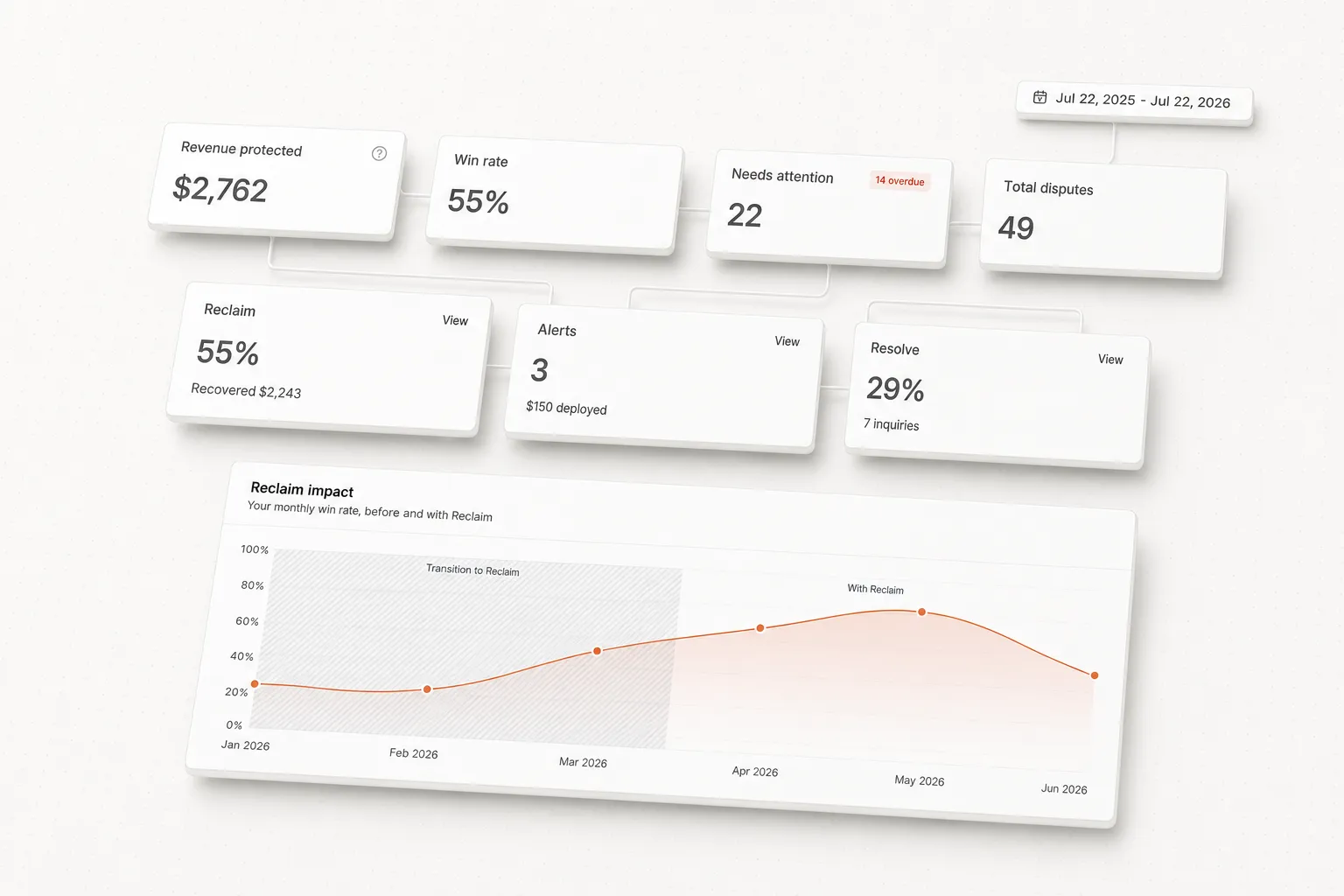
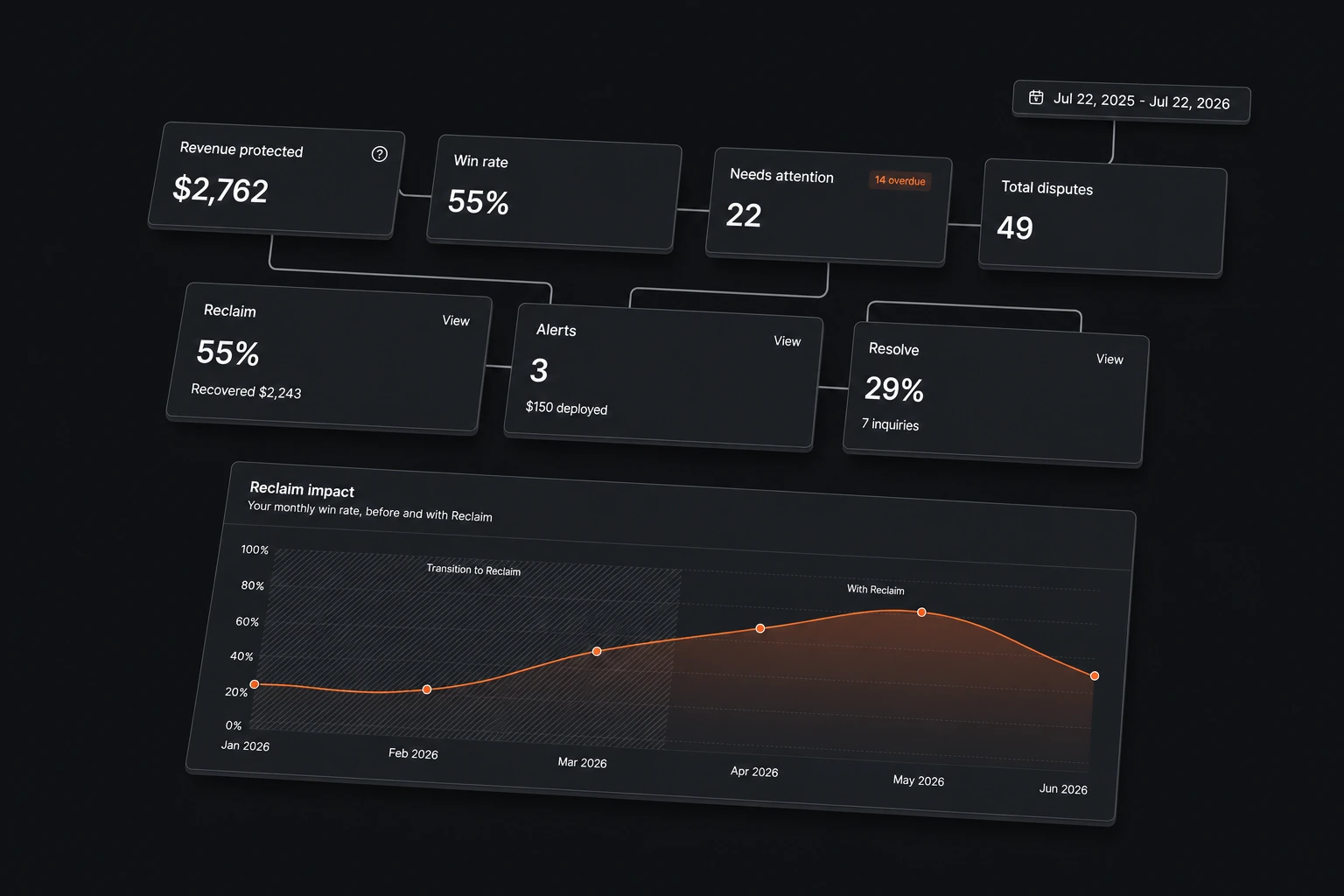
There is a conversation I have had enough times now that I can predict its shape. A merchant tells me their win rate is strong, low seventies, sometimes better. Then they mention, almost in passing, that their acquirer has started asking questions about their dispute ratio.
Both things are true at once, and most people find that combination confusing. If we are winning, why does anyone care?
Because they measure two different things, and only one of them is about money.
The count happens at filing, not at resolution
When a cardholder disputes a transaction and the issuing bank files a chargeback, that chargeback exists. It is recorded against your merchant account on the day it is filed.
What you do next determines whether you get the money back. It does not determine whether the dispute happened. You can assemble a complete evidence packet, submit it inside the deadline, win outright, and the dispute still sits in the numerator of your ratio.
This surprises people because most business metrics they deal with are net. Returns net out of revenue. Refunds net out of sales. Disputes do not net out of your dispute count.
Visa's acquirer monitoring fact sheet is explicit about this. It defines the ratio as the count of fraud records plus disputes over the count of settled transactions, and it lists exactly two exclusions: disputes resolved through pre-dispute solutions, and fraud that qualifies under Compelling Evidence 3.0. Disputes you won are not on that list.
PayPal's Braintree documentation on card brand monitoring says the same thing in plainer language: a chargeback can count toward a monitoring program even where the merchant later wins the case. Shopify's own chargeback monitoring guidance agrees.
So there are two scoreboards. Representment plays on one of them.
| Dimension | Recovery (your win rate) | Dispute ratio |
|---|---|---|
| What it measures | Dollars recovered after a dispute is filed | Disputes counted against settled transactions |
| When it is decided | At resolution, often weeks later | At filing, the day the chargeback posts |
| Effect of winning | Improves it | None. The dispute still counts |
| What moves it | Fighting and winning more cases | Fewer disputes filed, more resolved pre-filing, more volume |
| Worst case | The transaction amount plus a fee | Losing the ability to process the card brand |
Why the ratio is the one that can end you
Losing a dispute costs you the transaction amount plus a fee. At volume that is a real line item, but it is bounded and it is survivable.
Crossing a ratio threshold is a different category of problem. It moves you into a monitoring program. Those come with their own fees, required remediation, and timelines. Sustained failure to get back under the threshold escalates, and at the end of the escalation path is losing the ability to process that card brand.
That is not a line item. For most Shopify brands, losing Visa processing ends the business.
Visa's current VAMP fact sheet puts the excessive-merchant threshold at 150 basis points for the United States, Canada, Europe and Asia Pacific as of April 1, 2026, with CEMEA on a different figure. The calculation combines fraud and non-fraud dispute counts against settled card-not-present transactions, which Visa's 2026 VAMP thresholds breaks down region by region.
Check the current fact sheet and the current Visa rules before relying on any specific number, including that one. These thresholds moved recently and vendor posts quoting older figures are easy to find. The direction of travel matters more than the exact digit: acquirers started being assessed on this, and they are passing the pressure down.
What actually moves the ratio
If the count happens at filing, then only things that happen before filing can change it.
That is a short list.
Fewer disputes started. A meaningful share of what gets filed as fraud is not fraud. It is a customer who did not recognise a billing descriptor, or assumed a delayed order was never coming, or forgot about a subscription. Those are addressable with clearer descriptors, better delivery communication, and easier self-service. Preventing avoidable disputes is unglamorous work, and it is the only kind that reduces the numerator at the source.
Disputes resolved before filing. When a cardholder starts a dispute with their bank, the card networks can push an early signal before the chargeback is formally filed. Ethoca and Visa's RDR and CDRN operate in that window. Refund inside it and the dispute can be resolved through a pre-dispute solution, which is one of the two things Visa excludes from the ratio. Alerts is built on those network signals.
More settled transactions. The ratio has a denominator. Growth genuinely helps, which is why a seasonal dip in volume can push a stable dispute count over a threshold without anything about your operation getting worse. Watch the ratio, not the raw count.
Representment appears nowhere on that list. That is not a criticism of representment.
The honest part
I am describing a distinction, not arguing that recovery does not matter. Recovered revenue is real and it lands in your account. If you are fighting disputes and winning, keep doing it.
The mistake is treating a win rate as evidence that your dispute problem is handled. It is evidence that your recovery process works. Those are different claims, and only one of them is an answer when your acquirer writes to you.
There are limits on the prevention side too, which vendors tend to skip past. Alerts only cover disputes that reach a network you are connected to, inside the window, and coverage is not universal. Refunding on an alert means refunding some customers who would never have escalated, so deflection has a real cost, and on low-value orders that cost can exceed the fee you avoided. Prevention work also takes weeks to show up, because a ratio is a trailing measure.
Anyone telling you a single product fixes both scoreboards is selling.
The numbers to pull
Take last quarter's disputes and calculate two figures.
Recovery rate
Recovered dollars over disputed dollars. Not wins over cases fought, which flatters you if you decline the hard ones.
Dispute ratio
Dispute count over settled transactions, by month, plotted against the current threshold for your region.
If the first number is healthy and the second is trending toward the line, you do not have a representment problem. You have a filing problem, and no amount of winning will fix it.
Frequently asked questions
Does winning a chargeback remove it from my dispute ratio?
No. A dispute is counted on the day it is filed, and representment only decides whether you get the money back. Visa's monitoring programs count the dispute against your ratio whether you win or lose the case.
What counts toward my Visa dispute ratio?
Fraud records plus non-fraud disputes, divided by settled card-not-present transactions. Visa excludes only two things: disputes resolved through a pre-dispute solution, and fraud that qualifies under Compelling Evidence 3.0. Disputes you won are not excluded.
Can representment lower my VAMP ratio?
No. Representment recovers revenue but does not change the numerator. Only fewer disputes filed, more disputes resolved before they are filed, or more settled transactions can move the ratio.
What actually reduces a dispute ratio?
Preventing avoidable disputes with clearer billing descriptors, better delivery communication, and easier self-service refunds; resolving disputes before they are filed through network alert signals; and growing settled transaction volume so the denominator rises.