What Verifi Order Insight shows the cardholder

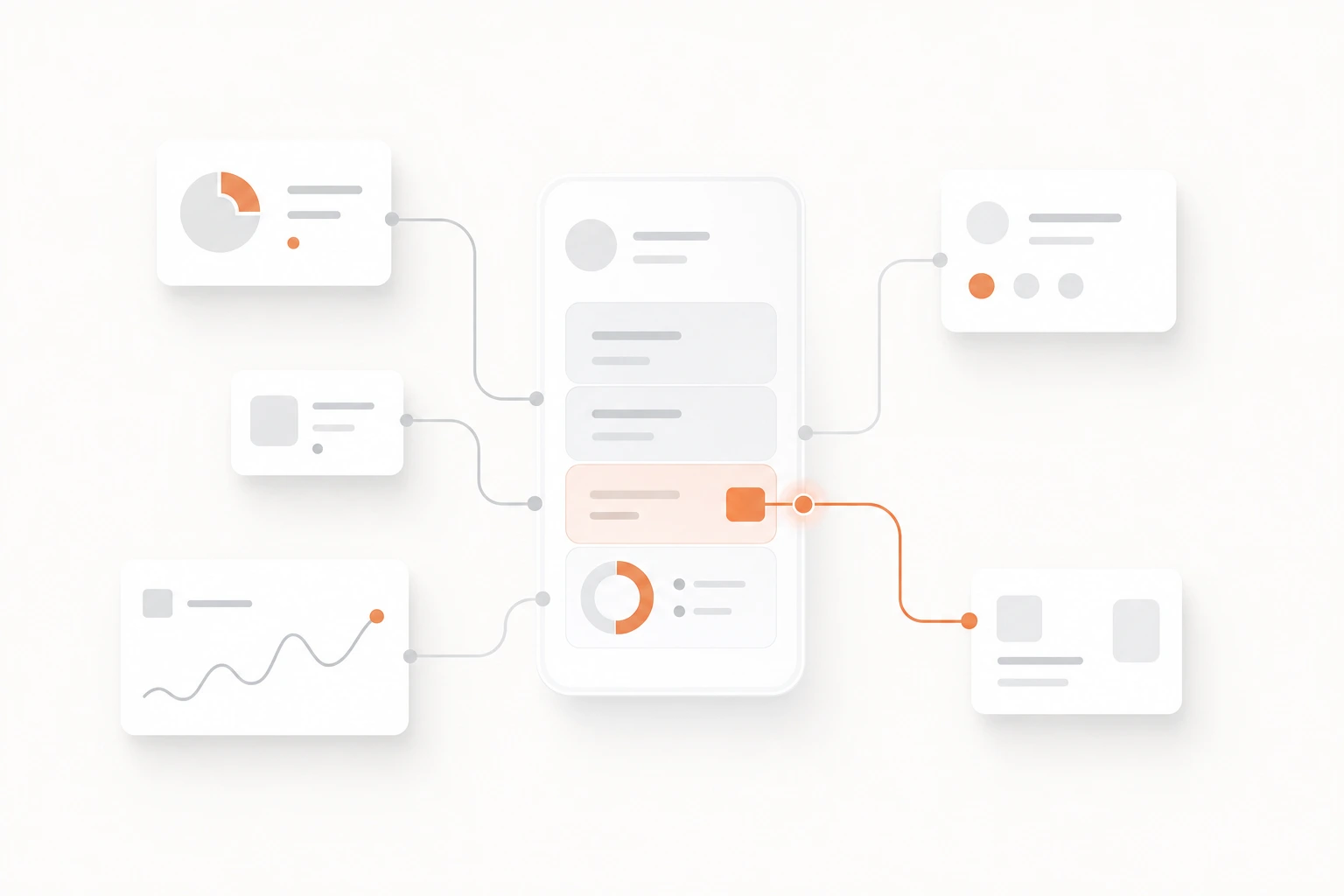
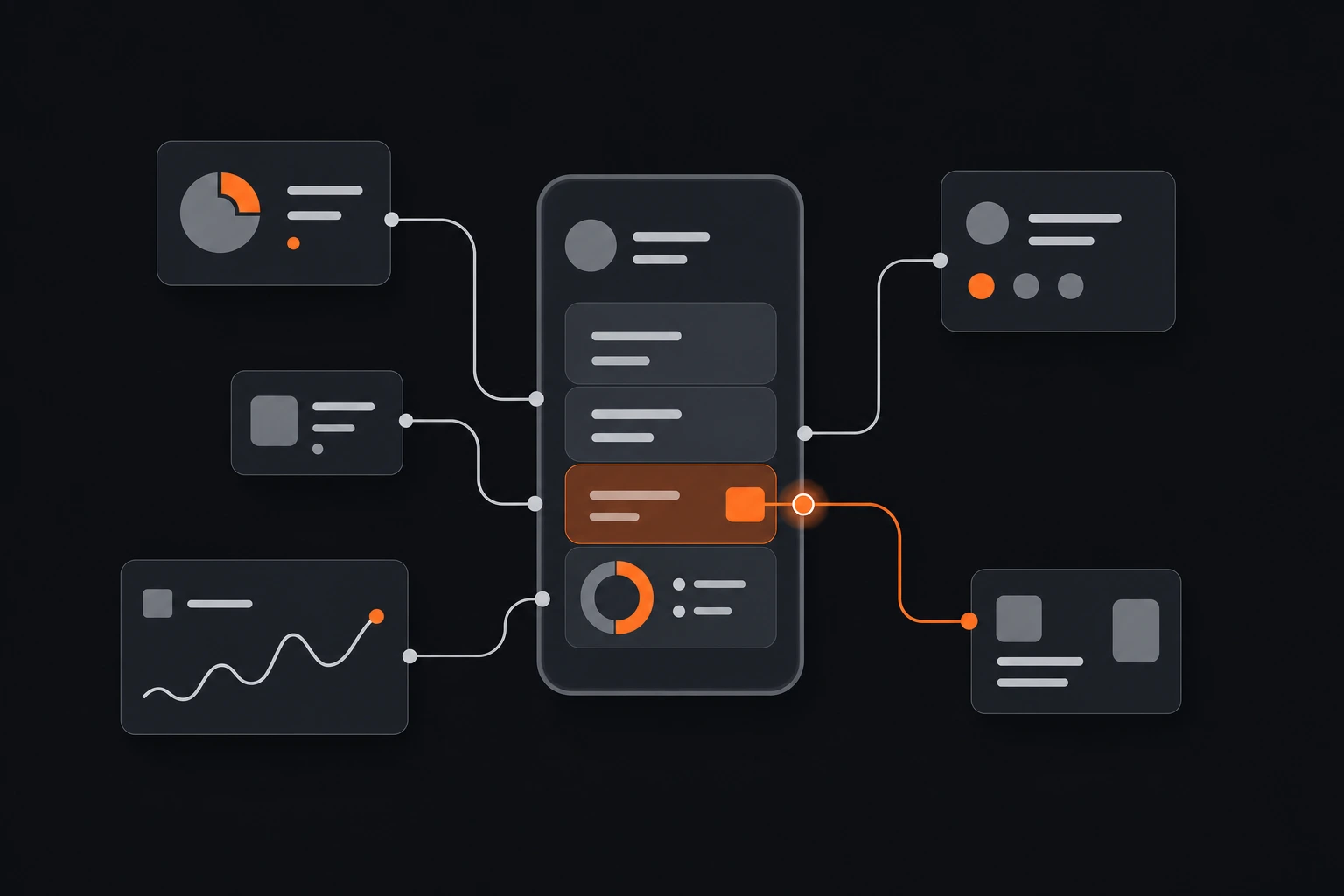
A customer opens their bank's app to question a charge. What happens on the next screen decides whether it becomes a dispute.
A bare merchant name and a dollar amount reads like confirmation of whatever they were already suspicious about. A screen that shows what they bought, when it shipped, and a phone number that reaches an actual person reads like proof they misremembered. Order Insight is the mechanism that decides which screen the customer gets.
What Order Insight actually is
Order Insight is Verifi's data exchange product, and Verifi is a Visa company. It is not an alert, and it is not a refund tool. Visa describes the mechanism plainly: it "provides the customer's bank with enhanced merchant, transaction and order details securely via our data centers" (Visa, Order Insight, checked July 22, 2026).
That is the entire function. Order Insight does not decide anything and does not move money. It answers a question the cardholder's bank is already asking on the customer's behalf: what is this charge, and does it match what they remember buying. How chargeback alerts work covers the products that act once a dispute already exists, CDRN, RDR, Ethoca. Order Insight's job is making sure fewer disputes exist for those to act on in the first place.
It fires at the inquiry, before a dispute case exists
An alert, Ethoca or Verifi's own CDRN, arrives after a cardholder has already called their bank and opened a dispute. Order Insight sits a step earlier, at the point where the cardholder is still deciding whether to make that call at all.
Verifi describes the moment directly: the product connects the issuer to the seller "to view transaction data, enabling them to quickly validate or dispute information with the consumer at the pre-dispute stage" (Verifi, Order Insight and Visa Resolve Online, checked July 22, 2026). Visa has moved this from optional to expected. Issuer staff working inside Visa Resolve Online, the platform banks use to manage disputes, are now required to review Order Insight data as part of the initial customer inquiry, before any formal case is opened (Verifi, same source, checked July 22, 2026).
That distinction is the whole reason this sits in a different category from an alert you act on. An alert is confirmation something already went wrong and now needs a decision from you. Order Insight is an attempt to stop the "something" from ever being classified as wrong, and it asks nothing of you in the moment, only that the data it needs is already sitting somewhere it can reach.
The ceiling is your own data, not Verifi's
The mechanics run through two Visa APIs, SICardholderPurchaseInquiry and SIGetCardholderPurchaseInquiry. When a cardholder requests detail on a charge inside their banking app, the issuer sends a real-time request to Visa, which queries the merchant and returns a response combining VisaNet's own authorization data with whatever the merchant supplies, drawn from a menu of "over 200 data elements to choose from" (Visa Developer, Order Insight Digital, checked July 22, 2026).
That menu matters more than the mechanism, because it is a menu, not a requirement, and most Shopify merchants cannot fill in most of it. Not because the integration is hard, but because the data does not live anywhere queryable. Order contents sit in Shopify. Tracking sits in a fulfillment app. Support history sits in a helpdesk. Subscription state sits in a billing app. Nobody assembled those into one record before Order Insight came along asking for it.
This is the same record Resolve is built on, and you need it whether or not you ever enroll in Order Insight. It is the identical set of facts, what was ordered, whether it shipped, whether the customer already asked about it, that your own support team needs to answer the same question the cardholder is asking their bank. Order Insight just moves the deadline earlier: instead of answering it when the customer emails you, you are answering it before they decide to call anyone at all.
Enrollment itself is not a Shopify setting. It runs through your payment processor, gateway, or an authorized reseller who holds the Verifi integration, the same layer that resells CDRN and RDR access. Confirm with whoever processes your Visa volume whether Order Insight is already part of your account before assuming a new integration is required.
What the bank actually shows the cardholder
Row one of the table below is the descriptor problem covered in how to prevent Shopify chargebacks before the bank gets involved: a legal entity or processor string on the statement, with nothing underneath it to explain the charge. Order Insight cannot fix the descriptor. What it can do is put everything the descriptor should have communicated in front of the customer anyway, at the one moment it still matters.
| What the cardholder sees | Authorization data only | With merchant order data supplied |
|---|---|---|
| Merchant identity | Raw statement descriptor, often a processor or legal-entity string | Recognizable storefront or brand name |
| Purchase content | Not present | Itemized product description and quantity |
| Fulfillment status | Not present | Carrier, tracking status, delivery date |
| Refund or contact history | Not present | Whether a refund or replacement was already issued |
| Subscription context | Not present | Plan name and next renewal date, if the charge is recurring |
| A way to reach you | Not present | Merchant phone, email, or support link |
The left column is what most cardholders are staring at when they decide to call their bank. The right column is what Order Insight makes possible, conditional entirely on the merchant having that data assembled and current at the moment the request arrives.
The honest limit
This only works on one category of dispute: the customer who is not sure. It does nothing for a cardholder whose card was actually stolen, since more order detail does not make a stranger's purchase familiar to the real cardholder. It does nothing for a customer who has already decided, correctly or not, that you failed them. More delivery data does not change a mind that is made up.
Visa's own reporting on the product is not a per-merchant guarantee. Its current page cites merchants deflecting "an average of 40-45% of confirmed first-party-misuse disputes," with some subscription merchants reaching 90%, and over $60M in confirmed first-party disputes deflected in aggregate, sourced to Verifi's own internal reporting for the twelve months ending September 2024 (Visa, Order Insight, checked July 22, 2026). That is Verifi's book, not yours. Ask which portfolio and what period back any number like it before you plan around it.
Coverage has a network boundary too. Order Insight rides Visa Resolve Online, which is Visa's own issuer platform, so it does not reach Mastercard, Amex, or Discover disputes. Ethoca and Verifi are complements more than competitors covers the equivalent mechanism on the Mastercard side, and it is a genuinely separate integration, not a setting inside this one.
The mandate covers review, not display. Visa requires issuer staff to review Order Insight data during the initial inquiry. It does not require every issuing bank's app to surface every field to the cardholder in a form they will actually read before deciding to dispute. The data reaching the bank is necessary. It is not sufficient.
One more thing worth flagging rather than assuming. Visa's VAMP fact sheet excludes disputes resolved through pre-dispute solutions from the ratio, contingent on the timing of the data extract, the same language that covers CDRN and RDR. Those two resolve a dispute case that has already been opened with the issuer, which is presumably why an explicit exclusion is needed at all. Order Insight typically acts earlier, at the inquiry, before that case exists. If richer data answers the question there, there may be no dispute record to exclude in the first place, because none was ever opened. Visa's materials do not spell out this distinction directly, so treat it as the likely mechanism rather than a confirmed rule, and confirm the treatment with your acquirer if your ratio sits close to a threshold.
Frequently asked questions
What is Verifi Order Insight?
A data exchange product, owned by Verifi, a Visa company, that lets a cardholder's issuing bank pull merchant, transaction, and order detail the moment the cardholder questions a charge, before any formal dispute is opened. It works by making the charge recognizable, not by refunding or resolving anything.
Does Order Insight stop a chargeback?
Not directly. It acts earlier than a chargeback, and earlier than an alert like CDRN or RDR. The goal is that the cardholder never escalates to a formal dispute in the first place, because the order detail already in front of them in their banking app answers the question. If the customer disputes anyway, the case proceeds through the normal channels.
How does a Shopify merchant enroll in Order Insight?
Not through a Shopify app. Enrollment runs through your payment processor, gateway, or a Verifi-authorized reseller, the same layer that resells CDRN and RDR access. Ask your processor whether Order Insight is already part of your account before assuming a new integration is needed.
Does more order data help with genuine fraud disputes?
No. Order Insight addresses recognition confusion, a cardholder who is not sure what a charge is. It does not help when a card was genuinely stolen, since more detail does not make a stranger's purchase familiar to the real cardholder, and it does not change a customer who has already decided you failed them.
Start with the reason code split, not a vendor's number
Pull last quarter's disputes and sort them into two piles: coded fraud where the cardholder says they do not recognize the charge, and everything else. The first pile is the entire addressable problem for Order Insight. Richer data in a banking app cannot touch a delivery complaint or a subscription cancellation dispute, only the ones where the customer is genuinely unsure what they are looking at.
If that pile is a third of your disputes, richer order data is worth the conversation with your processor. If it is a tenth, the return on this specific product is capped low no matter how well it works, and the cheaper fix is a clearer descriptor and a receipt that arrives before the statement does.