Verifi CDRN, and how fast you have to move

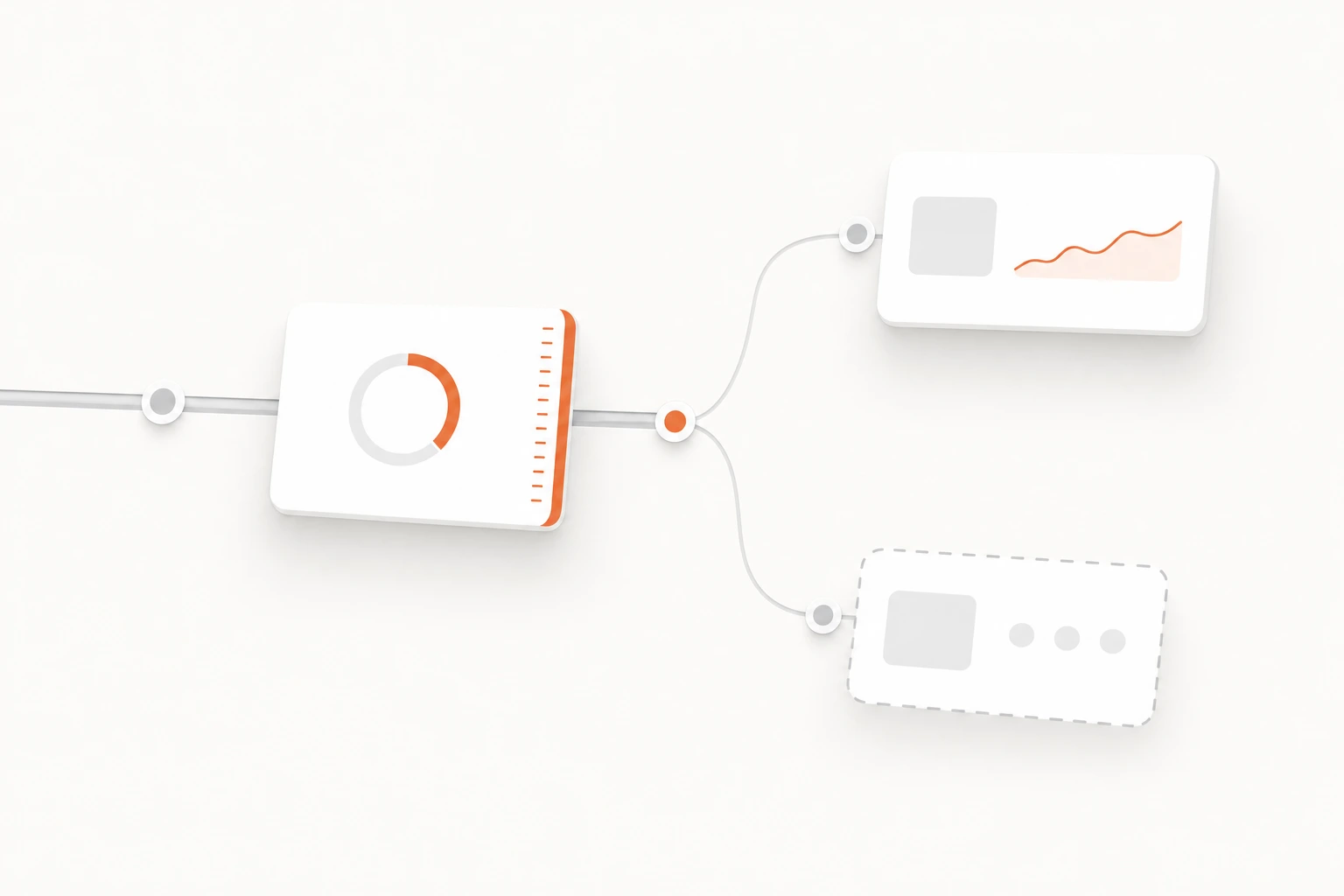
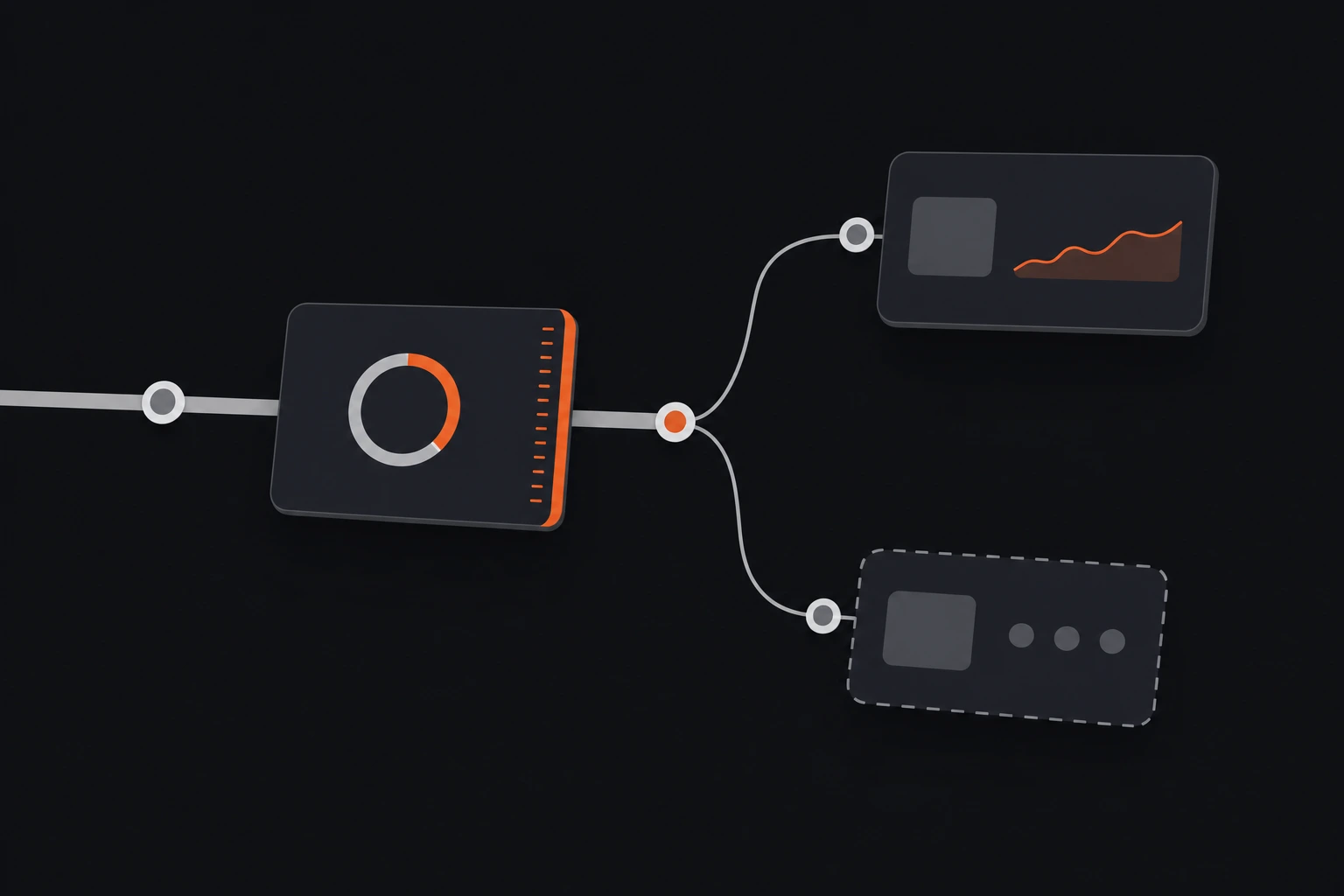
A cardholder on one of your Shopify orders looks at their statement, does not recognize the charge, and calls their bank. If that bank participates in Verifi's CDRN network, you do not find out from Shopify. You find out from a case sitting in a portal you may not check every day, with a clock already running.
What is Verifi CDRN?
The Cardholder Dispute Resolution Network is Verifi's manual pre-dispute alert product. Verifi describes it plainly: "Merchants have 72 hours to initiate a cardholder credit to resolve Visa and non-Visa transaction disputes before a chargeback is filed." The case is paused and posted for a human to look at, not auto-resolved.
The detail Verifi's page does not spell out is what happens on your side of that 72 hours: where the case shows up, and how it lines up against the order sitting in your Shopify admin.
One more thing worth knowing up front. Verifi describes CDRN as operating "independently of card brand networks," which is why a Visa-owned product still reaches Mastercard, Discover, and American Express disputes. It runs on Verifi's own web of issuer relationships, not those networks' rails.
What it covers, and what it does not
CDRN reaches a dispute only if the cardholder's issuing bank has a relationship with Verifi for this specific product. That participation is decided bank by bank, not network by network, so a large national issuer can be in for one card brand's disputes and out for another's. Nobody, including Verifi, can hand you a coverage percentage before you run it against your own customer base.
Inside that constraint, coverage spans both Visa and non-Visa card-not-present disputes, which is the structural advantage CDRN has over Visa's own Rapid Dispute Resolution. For the Mastercard side of the same signal, and where CDRN's non-Visa reach actually comes from, see Ethoca and Verifi are complements more than competitors.
What it does not reach is just as concrete. A dispute already filed as a formal chargeback is out of scope. Disputes at non-enrolled issuers never generate a case. And anything that never touches the issuing bank, a PayPal claim, a Shop Pay installment dispute, an ACH return, sits outside CDRN by definition, since there is no card network dispute for Verifi to intercept.
The alert to refund workflow
The mechanics are a fixed sequence, and skipping a step costs you the case.
The cardholder disputes with their issuing bank
Verifi posts the case instead of filing it
Someone matches the case to the underlying order
You decide: refund, or let it run
Redo's Alerts exists mainly to close the gap in step three. The network integration is licensed from Disputely, and the part we add is matching the incoming signal to the Shopify order automatically and executing the refund, so the 72 hour window does not depend on someone remembering a second portal.
That 72 hour clock is a different one from the deadline you already know from representment. Shopify's own documentation puts the evidence window for a formal chargeback at roughly 7 to 21 days once one is filed. CDRN's 72 hours decides whether you ever reach that clock at all.
How a CDRN case reconciles against your Shopify order
This is the part vendor pages skip, because it is a Shopify-specific problem rather than a Verifi one.
A CDRN case does not carry your Shopify order ID. It carries the card BIN and CAID tied to the transaction, the amount, currency, and roughly the date. Finding the matching order means searching on amount and date, confirmed against the card's last four digits if your processor exposes them. On real volume, more than one order can share an amount on a given day, so the match is not always obvious.
Shopify has its own, separate concept that looks adjacent but is not confirmed to be the same channel. Shopify's help documentation describes an "inquiry" as a dispute where "no funds are taken by the credit card company," resolved by a full refund. That is functionally similar to closing a CDRN case, but Shopify does not name Verifi or CDRN as the source of an inquiry, and there is no confirmation that a CDRN enrollment surfaces a case inside Shopify's own "inquiries" list. Treat them as two channels until proven otherwise: a CDRN case lives in Verifi's portal or your vendor's dashboard, a Shopify inquiry lives in your Shopify admin, and closing either takes the same refund, without either system telling the other it happened.
The practical fix is boring but works. Log the CDRN case ID as an order note or tag on the matching Shopify order the moment you refund it. If a chargeback shows up anyway on that order, either because the timing slipped or because of a network mismatch, you have a timestamped record that you resolved it inside the window.
CDRN versus RDR versus Shopify's own inquiry
| Channel | Who decides | Response window | Where it shows up | Refund execution |
|---|---|---|---|---|
| Verifi CDRN | You, per case | 72 hours | Verifi's portal, or a reseller's dashboard | Manual, matched to the Shopify order by hand |
| Visa RDR | A rule you set ahead of time | None, resolves instantly | Verifi's portal; you never log in per case | Automatic, executed through your acquirer |
| Shopify's own "inquiry" | You | Not specified by Shopify | Shopify admin, under chargebacks and inquiries | Full refund inside Shopify, since no funds have moved |
For the full head to head on when each fits your dispute volume, see RDR and CDRN solve different chargeback problems. Short version: if your team can reliably act inside 72 hours and wants judgment per case, CDRN fits. If your Visa volume is high enough that per-case review does not scale, RDR trades that judgment for automation. For the mechanics common to any alert network, see how chargeback alerts work and what they cannot catch.
The honest limitation
Coverage is not something you can look up. It depends on which issuers your customers bank with, and that is only knowable by running CDRN for a period and counting what actually arrives against the disputes you separately know you received.
The 72 hours is a real deadline, not a grace period. A case posted Friday afternoon and reviewed Monday morning has already expired. If nobody owns checking the portal on weekends, plan for weekend cases to fail by default.
Manual matching carries its own failure mode. Match the wrong order and you refund a customer who was never disputing, while the real case runs out the clock unresolved. RDR does not carry this risk, since its rules match on the same identifiers automatically instead of asking a person to eyeball an amount and a date.
Refunding a case closes it regardless of whether that cardholder would have escalated on their own. Some share of paused disputes get abandoned or resolved by the issuer without ever reaching you. You refund those too, and never learn which ones, because the refund already went out.
Neither Verifi nor any reseller publishes a standard per-case rate for CDRN. Ask your acquirer or whoever manages your enrollment what you are actually billed, per case reviewed, per case resolved, or flat monthly, before you count on the economics working on low-value orders.
And the ratio benefit, while real, is not unconditional. Visa's own guidance treats the pre-dispute exclusion as contingent on the timing of the data extract, so a case closed near month end can still land in that month's count. Plan on the exclusion holding across a quarter, not for any single case.
Frequently asked questions
How long do I have to respond to a Verifi CDRN alert?
72 hours from when Verifi posts the case. Refunding inside that window resolves it before a chargeback is filed. Missing it lets the dispute proceed as a formal chargeback.
Does CDRN cover Mastercard and Amex disputes, or only Visa?
Both. Verifi describes CDRN as covering Visa and non-Visa transaction disputes and operating independently of the card brand networks, which is why a Visa-owned product still reaches other brands where the issuing bank participates.
Is a Verifi CDRN case the same as a Shopify inquiry?
Not confirmed to be the same channel. Shopify's help documentation describes an inquiry as a dispute you can resolve with a full refund since no funds have moved, which looks like closing a CDRN case, but Shopify does not name Verifi or CDRN as the source of an inquiry. Treat them as two separate systems until you have verified otherwise for your own setup.
What is the difference between CDRN and RDR?
CDRN posts a case for a person to review and act on within 72 hours. RDR resolves automatically against rules the merchant configured in advance, without anyone logging in per case. CDRN preserves judgment on each dispute; RDR trades that judgment for guaranteed, instant response.
The test I'd run before you rely on CDRN for anything: pull the last case that came through, whether from your own enrollment or your alerts vendor, and time how long it actually took from posting to a refund landing on the matching Shopify order. If that gap is closer to 48 hours than 4, the deadline is your real risk, not the network's coverage.