What WISMO is and how to reduce it on Shopify

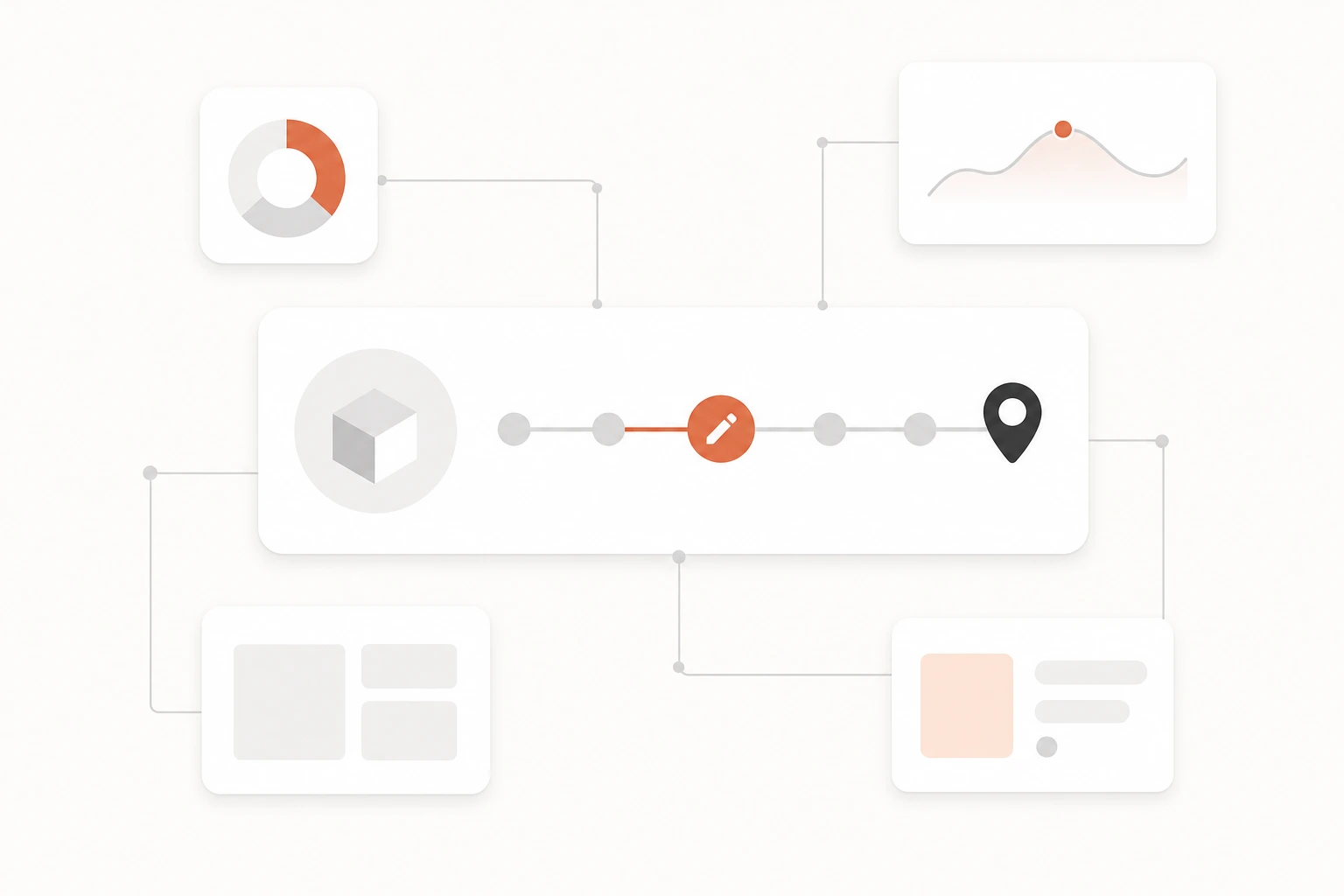
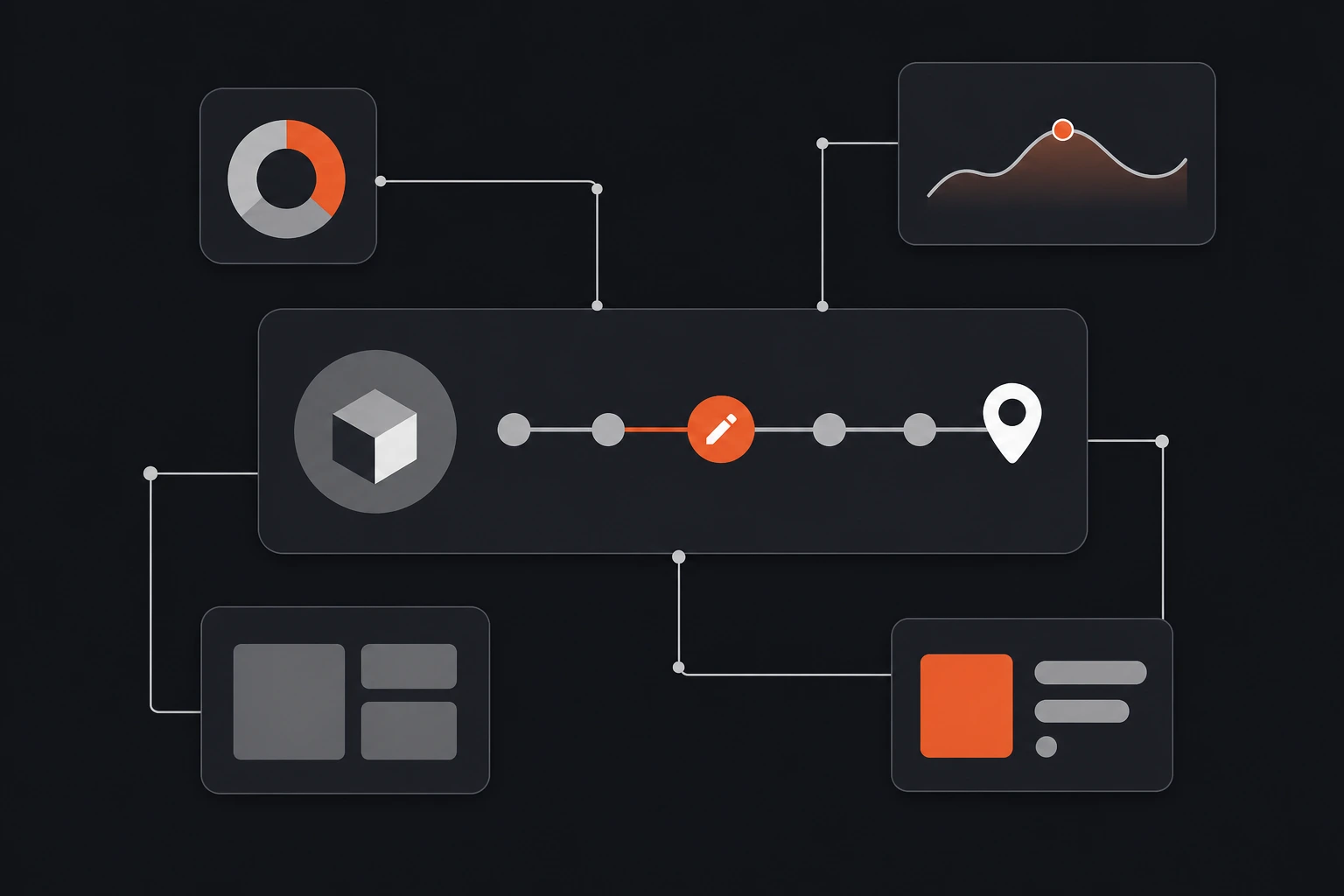
WISMO stands for "where is my order." It is the message a customer sends when a confirmation email is the last thing they heard from you and the package still is not on the porch. For most Shopify brands it is the single most common post-purchase support ticket, and a large share of it is avoidable.
What does WISMO mean?
WISMO is an acronym for "where is my order," and it covers the whole family of contacts that follow a purchase: has it shipped, why is it late, the tracking has not moved, did it get delivered, the tracking says delivered but I have nothing. Whatever the exact wording, the customer is asking one thing, which is where their order is right now.
It is the most common question in ecommerce. Gorgias, which runs helpdesks for a large base of Shopify and DTC brands, puts WISMO at about 18% of incoming requests on average and calls it the single most common ticket type (gorgias.com, checked August 6, 2026). Higher figures circulate, with 40 to 60 percent quoted in plenty of guides, but those numbers mostly cite one another rather than a named dataset, so treat the 18% as the defensible floor and expect it to climb during peak.
What makes WISMO different from a pre-sale question is timing. The money has already changed hands. Every WISMO contact is pure cost with no new revenue attached, and it lands on the part of your team least able to actually change where the parcel is.
What drives WISMO tickets?
WISMO is not one problem. It splits into two families, and the fix for each is different.
No proactive tracking. The customer has no idea what is happening because you have not told them. They bought, they got a receipt, and then silence until the box shows up. Any gap in that timeline gets filled by a support ticket.
A delivery running late. The order shipped, the estimate has slipped, and the tracking page has not updated in two days. This one is legitimate. The customer wants reassurance and a realistic date, and no amount of automation makes a stuck parcel move.
The customer wants to change or cancel, with no self-serve path. They ordered the wrong size, changed their mind, or want to add an item before it ships. With no way to do that themselves, the only lever they have is to open a ticket, and often to open it fast before the order leaves the warehouse.
A wrong shipping address they cannot fix. They typed the old apartment, or autocomplete filled the wrong one. They know it is wrong, they just cannot touch it, so they contact you and hope someone catches it before fulfillment does.
The first two are information gaps. The last two are change requests wearing a WISMO costume, and they are the ones a support ticket handles badly, because by the time an agent reads the message the order may already be picked and packed.
What do WISMO tickets cost?
The obvious cost is support load. WISMO is usually your largest single ticket category, and each one is a few minutes of an agent looking up an order, checking a carrier page, and writing a reply that the tracking link would have answered. Multiply a few minutes by the largest bucket in the queue and it is a real headcount line.
The quieter cost is customer experience. A shopper who has to ask where their order is has already crossed from "happy" to "mildly worried." You are now doing recovery on a sale you already made, and the second purchase is the one at risk.
Then there is the cost that shows up on the finance side. A WISMO contact that never gets a satisfying answer does not just evaporate. Some share of those customers stop asking you and ask their bank instead, which arrives as a product not received chargeback. That is a far more expensive way to resolve "where is my order" than a tracking email would have been, and it counts against you whether or not you win it.
Reducing avoidable WISMO is therefore not only a support-cost play. It is one of the cheapest ways to prevent Shopify chargebacks before the bank gets involved.
How do you reduce WISMO?
Three levers, mapped to the drivers above.
Proactive shipping notifications. Tell the customer when the order ships, when it is out for delivery, and when it is delivered, and tell them proactively when an estimate slips. Most information-gap WISMO never becomes a ticket if the update arrives before the question does.
A live order-status page. Give one link where the customer can see the current state of their order at any time, without logging in or emailing. This absorbs the "just checking" contacts that a static carrier page does not.
Self-serve changes. Let the customer fix the order themselves inside a post-purchase edit window: correct the address, swap a variant, change a quantity, or cancel, without opening a ticket at all. This is the lever that kills the change-request family of WISMO, and it is exactly what a self-serve post-purchase edit window like Order Editing provides. When the customer can edit the order themselves before it ships, there is no ticket to handle and no wrong parcel to intercept.
| What drives the ticket | What the customer actually wants | The lever that removes it |
|---|---|---|
| No proactive tracking | To know where the order is | Automated shipping and delivery notifications |
| Delivery running late | An honest, updated ETA | Proactive delay alerts, a live status page |
| Wants to change or cancel | To edit the order themselves | Self-serve post-purchase editing |
| Wrong shipping address | To fix the address before it ships | Self-serve address edit before fulfillment |
The first two levers shrink the information gaps. The third removes the change requests entirely, which is the pile that costs the most per ticket because it is time-sensitive and easy to get wrong.
The honest part
Proactive tracking and self-serve editing cut avoidable WISMO. They do not eliminate WISMO, and any tool that promises to is selling you something.
A parcel genuinely stuck in a carrier depot is a real "where is my order," and no notification changes the physical fact that the box is not moving. A package marked delivered that the customer never received is a legitimate contact you want to handle well, not deflect. Those are the tickets left after the avoidable ones are gone, and they are the ones that actually need a human.
What the levers do is change the mix. Self-serve editing takes the change-request family close to zero. Proactive notifications take a big bite out of the information gaps. What remains is your genuine carrier-delay floor, which is smaller, more legitimate, and far easier to staff for than an undifferentiated flood.
The test I'd run: pull last month's support tickets and tag every one that is really "where is my order." Split that pile in two, the customers who just wanted an update and the customers who wanted to change something. The first shrinks with proactive tracking. The second shrinks with self-serve editing. Whatever is left is your real carrier floor, and that is the number worth managing rather than firefighting.
Frequently asked questions
What does WISMO stand for?
WISMO stands for 'where is my order.' It is shorthand for the whole family of post-purchase support contacts about an order's status: has it shipped, why is it late, the tracking has not updated, or the tracking says delivered but nothing arrived.
What percentage of support tickets are WISMO?
Gorgias, which runs helpdesks for many Shopify and DTC brands, puts WISMO at about 18% of incoming requests on average and calls it the single most common ticket type (checked August 6, 2026). Higher figures of 40 to 60 percent are quoted widely but usually cite one another rather than a named dataset, and WISMO tends to climb during peak season.
How do you reduce WISMO tickets?
Close the information gaps with proactive shipping and delivery notifications and a live order-status page, and remove the change requests by letting customers fix their own orders after checkout, editing the address, swapping a variant, or cancelling, inside a post-purchase edit window. The first cuts 'just checking' contacts; the second cuts the tickets that a support agent handles badly because the order is about to ship.
Can you eliminate WISMO entirely?
No. Proactive tracking and self-serve editing remove the avoidable WISMO, but a parcel genuinely delayed or lost in the carrier network is a legitimate 'where is my order' that no notification can prevent. The goal is to shrink the avoidable pile so your team can handle the real delays well.