Ethoca Consumer Clarity vs Order Insight

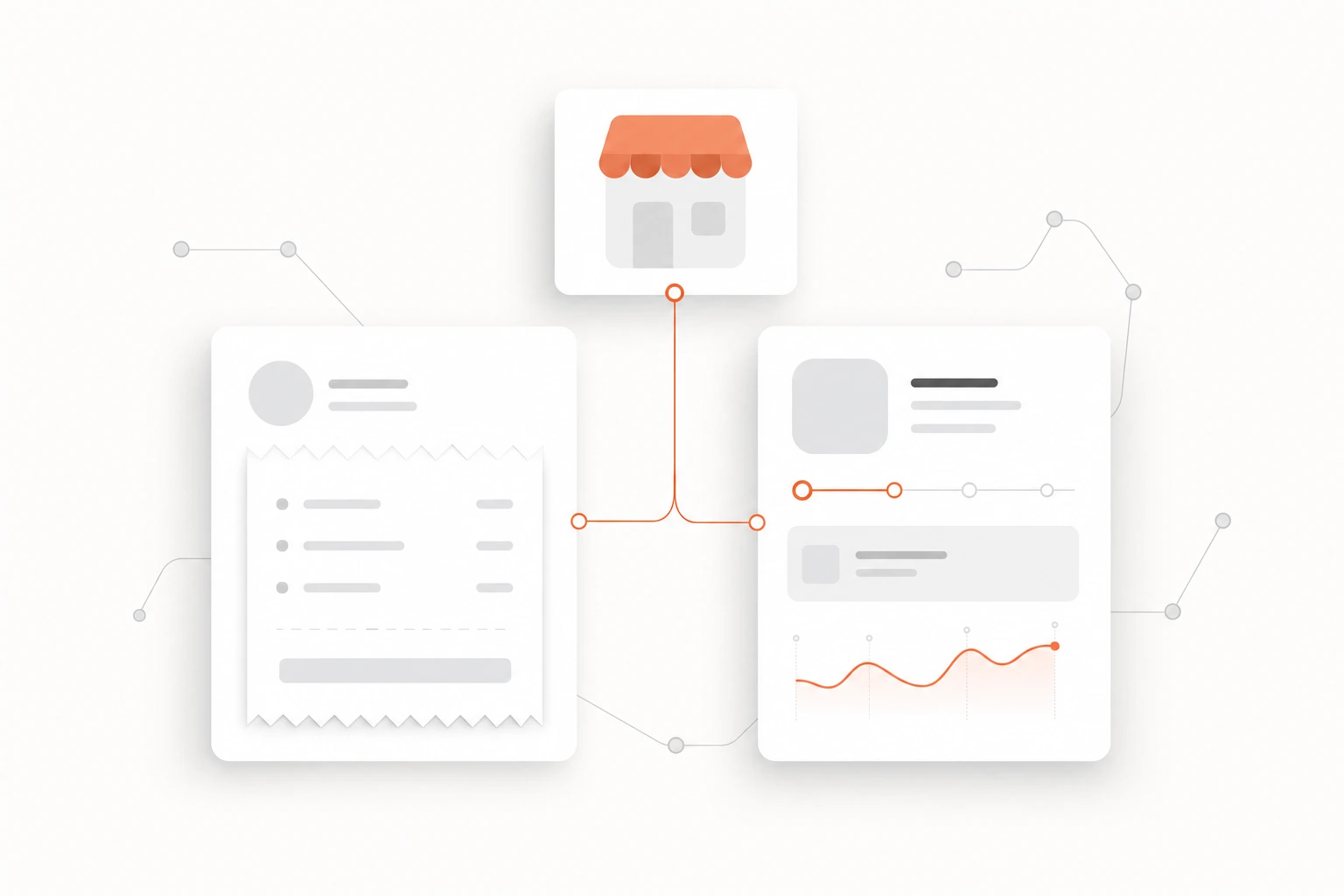
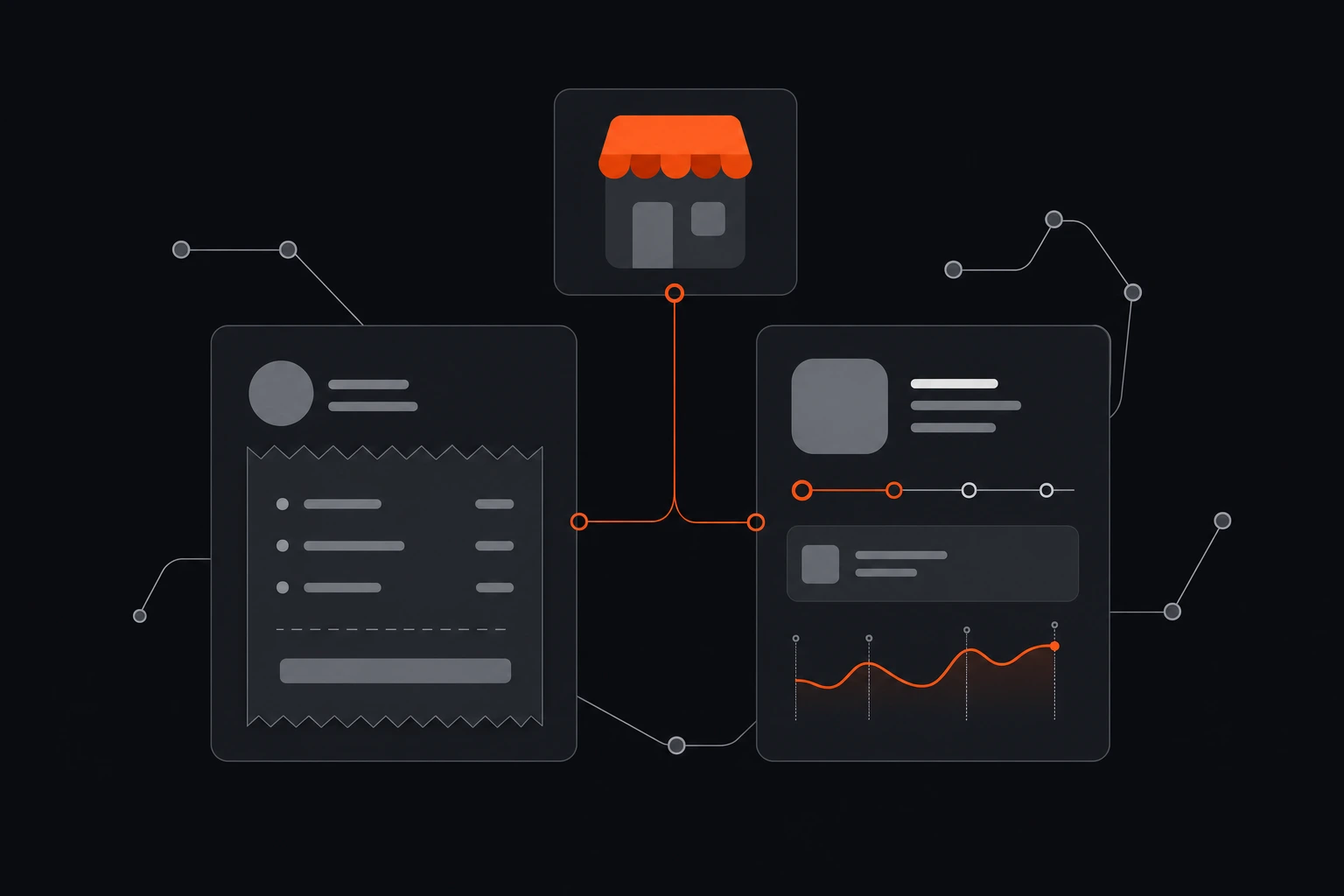
A customer opens their banking app nine days after ordering, sees a charge that reads like a legal entity instead of your store name, and doesn't recognize it. They tap dispute. What should have been a ten-second recognition problem is now a formally filed chargeback.
Two network products exist specifically to catch that moment before the tap: Ethoca Consumer Clarity on Mastercard's side, Visa Order Insight on Visa's. Ethoca and Visa each explain their own product well. Neither explains the thing a merchant actually needs to know, which is that these are two halves of the same job, split across two networks, and running one without the other leaves half your card mix uncovered.
Two tools, one job, split across two networks
Consumer Clarity and Order Insight both do the same thing: push enriched merchant, order, and transaction data to the cardholder's issuing bank so a confused customer recognizes the charge before disputing it. Neither is the alert product people usually mean when they say "chargeback alerts."
That distinction matters. The alert networks, Ethoca Alerts and Verifi's CDRN and RDR, fire after a cardholder has already called their bank and a case has been opened, covered in how chargeback alerts work and what they cannot catch. Consumer Clarity and Order Insight sit a step earlier. They aim to make the charge recognizable at the moment the cardholder is looking at their statement or banking app, before the call happens at all. Ownership follows the same split documented in Ethoca and Verifi are complements more than competitors: Mastercard's network handles Mastercard-issued cards, Visa's handles Visa-issued cards, and neither reaches the other.
What Consumer Clarity shows a Mastercard cardholder
Ethoca's own product page describes Consumer Clarity as sharing detailed merchant and purchase information directly inside the cardholder's banking app or through an issuer's call center screen (Ethoca, "Ethoca Consumer Clarity," ethoca.com, checked July 22, 2026). The data set is specific: a clear merchant name and logo, geolocation, a fully itemized digital receipt, and subscription payment details through a feature Ethoca calls Smart Subscriptions.
The framing on that page is telling. For issuers it is pitched as "eliminate confusion" and "resolve in one call." For merchants it is pitched as reducing friendly fraud and the chargeback fees that come with it. Both descriptions point at the same mechanism: a cardholder or a bank rep sees enough detail to recall the purchase instead of escalating it.
What Order Insight shows a Visa cardholder
Visa's own page describes Order Insight as sharing "enhanced merchant, transaction and order details" with the issuing bank the moment a cardholder questions a charge (Visa, "Order Insight," visa.com, checked July 22, 2026). The cardholder reviews those details directly in their banking app, self-serve, rather than needing a call center rep to pull them up.
Visa's developer documentation is more specific about the mechanics: the capability draws on VisaNet transaction data, third-party merchant identification, and merchant-supplied transaction detail, and participating merchants can pass over 200 individual data elements into that record (Visa Developer, "Order Insight Digital," developer.visa.com, checked July 22, 2026). Visa's product page also publishes results: merchants using it have deflected an average of 40 to 45 percent of confirmed first-party-misuse disputes, with some subscription merchants as high as 90 percent, and over $60 million in confirmed first-party disputes deflected in aggregate (Visa, "Order Insight," visa.com, checked July 22, 2026). Those are Visa's own figures from its own merchant base, not a guarantee for yours.
Consumer Clarity vs Order Insight, side by side
| Ethoca Consumer Clarity | Visa Order Insight | |
|---|---|---|
| Network | Mastercard | Visa |
| What it shows the cardholder | Merchant name and logo, geolocation, itemized receipt, subscription detail | Enhanced merchant, transaction, and order detail, up to 200+ data elements |
| Where the cardholder sees it | Issuer's banking app, or an issuer call center rep's screen | Issuer's online or mobile banking portal, self-serve |
| Who has to opt in | Merchant, via issuer and network enrollment | Merchant, via issuer and network enrollment |
| What it helps with | Recognition and confusion disputes, "friendly fraud" | Recognition and confusion disputes, especially subscriptions |
| What it does not touch | Genuine fraud, non-delivery, non-participating issuers | Genuine fraud, non-delivery, non-participating issuers |
Why a Shopify merchant usually needs both
Neither network asks your customer which card to use. A typical Shopify store's payment mix runs across both, so a merchant that enrolls in Order Insight alone has done nothing for the share of disputes sitting on Mastercard, and the reverse is just as true.
This is not a decision to make once and move on from, because the two networks arrived at different maturity levels and through different channels. Order Insight is usually available through a payment gateway or processor relationship and shows up as a line item you can ask your processor about today. Consumer Clarity enrollment more often runs through the same alert resellers that handle Ethoca's dispute network, so it is worth asking the same vendor about both products rather than assuming one implies the other.
Either way, what actually reaches the cardholder is limited by what your own systems hand over. A generic descriptor and a blank order record produce a thin Consumer Clarity or Order Insight entry no matter how well the network itself performs. This is the part Resolve is built for: it unifies the order, fulfillment, and support record so what gets pushed into either network is a complete, recognizable purchase rather than a bare transaction line. Enrichment networks only enrich what you give them.
The honest part
Both products address one specific failure mode: a cardholder who doesn't recognize a real, valid charge. Neither touches genuine fraud, where the card was actually stolen, or a not-received dispute, where the customer recognizes the purchase perfectly well and is disputing the delivery instead. If your disputes skew toward those reason codes, enrichment data changes nothing, because the cardholder was never confused in the first place.
Enrollment is not self-serve for most Shopify merchants. Neither Ethoca's page nor Visa's states public pricing, and both typically require your processor, gateway, or a specialized reseller to hold the integration on your behalf. Budget the conversation, not a signup form.
Coverage still depends on issuer participation, the same caveat that applies to the alert networks. A large issuer can support one product and not the other, and nobody can tell you your real coverage rate until you run it against your own dispute volume. Visa's 40 to 45 percent figure is an average across its own merchant base; treat it as a benchmark to measure against, not a number to expect on day one.
None of this replaces descriptor and receipt hygiene at the source, which is the broader prevention work covered in how to prevent Shopify chargebacks before the bank gets involved. Enrichment networks make a good record visible to the cardholder. They do not create the record for you.
Frequently asked questions
Is Ethoca Consumer Clarity the same thing as an Ethoca alert?
No. Ethoca Alerts and Verifi's CDRN and RDR fire after a cardholder has already contacted their issuing bank and a dispute case exists. Consumer Clarity and Order Insight aim to prevent that call in the first place, by showing the cardholder enough detail to recognize the charge on their own.
Does Order Insight or Consumer Clarity cost anything?
Neither Visa's nor Ethoca's own page publishes pricing. Both are typically enrolled through a payment processor, gateway, or reseller rather than a self-serve signup, so the real cost depends on that relationship.
Do I need both Consumer Clarity and Order Insight, or can I pick one?
Most Shopify merchants take payments on both Visa and Mastercard, and each network only enriches the cards it owns. Enrolling in one covers only the share of your disputes on that network; the other network's cardholders see whatever thin data your processor sends by default.
Will these tools stop a genuinely fraudulent chargeback?
No. Both are built for recognition and confusion disputes, often called friendly fraud. A stolen card or a customer disputing a delivery they never received is not a data problem, and no amount of enriched merchant detail changes that outcome.
The test to run first
Pull last quarter's chargebacks and split them two ways: by reason code, isolating anything coded as unrecognized or first-party misuse, and by card brand, Visa against Mastercard.
If that confusion-coded volume splits close to evenly across brands, ask your processor about enrollment status for both Order Insight and Consumer Clarity in the same conversation. Most merchants have only ever asked about one, usually whichever their processor mentioned first, and have never checked whether the other network's cardholders are seeing anything at all.